


PLA is generally the better choice for beginners, decorative models, detailed prints, and fast prototypes because it is easier to print and produces a clean surface finish. PETG is better suited to functional parts that need greater impact resistance, flexibility, moisture resistance, or improved performance at higher temperatures.
Neither filament is better for every project. This PETG vs PLA comparison covers strength, heat resistance, print quality, settings, durability, cost, and common applications so you can choose the right material before starting your next print.

What is PLA?
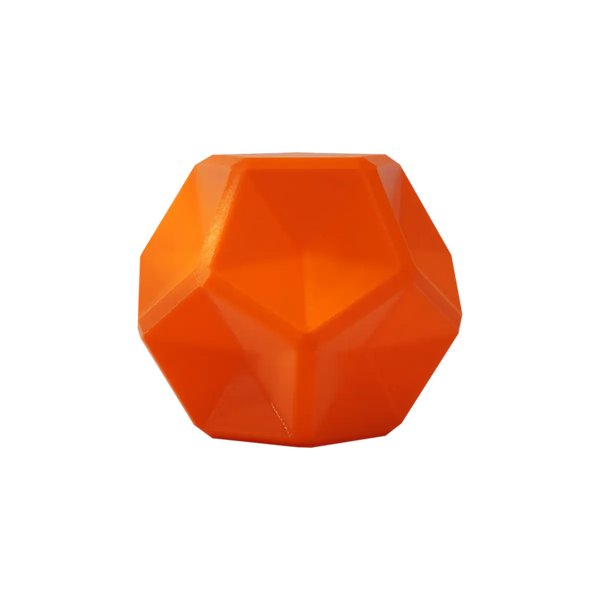
Polylactic acid, or PLA 3D printer filament, is one of the most widely used materials in FDM 3D printing. It is commonly made from renewable feedstocks such as corn starch or sugarcane and is known for low warping, clean surface detail, and relatively easy printing. Although PLA is often described as biodegradable, it generally requires controlled industrial composting conditions rather than simply breaking down outdoors or in household waste.
PLA works well for figurines, decorative objects, concept models, and everyday indoor projects. Its rigidity helps parts retain their shape, but standard PLA may become brittle under repeated impact and can soften when exposed to elevated temperatures. Flashforge HS PLA is formulated for users who want to combine these beginner-friendly characteristics with faster printing.
What is PETG?
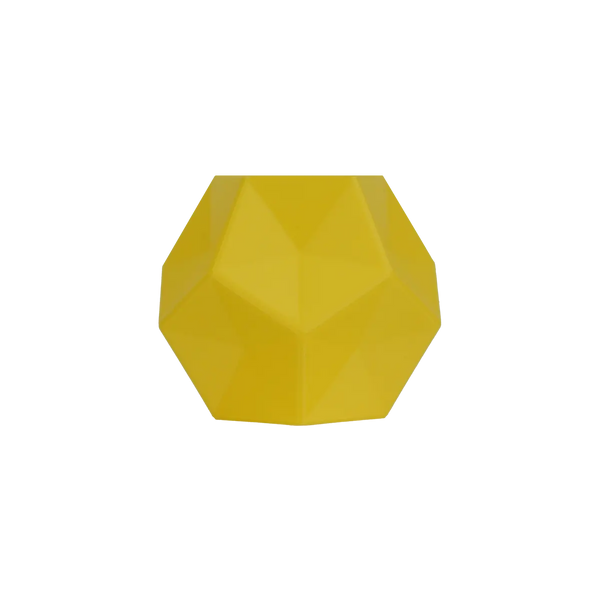
3D printer filament PETG is a glycol-modified form of PET developed to provide a useful balance of printability, toughness, and durability. Compared with standard PLA, PETG is generally less brittle and offers better impact resistance, layer adhesion, and resistance to moderate heat and moisture. However, it is usually less rigid than PLA, so describing PETG as universally “stronger” would be misleading.
PETG is commonly used for brackets, protective housings, tool holders, clips, and other functional parts that may experience impact or occasional flexing. It normally requires higher nozzle and bed temperatures than PLA and may produce more stringing if temperature and retraction are not properly adjusted. Flashforge HS PETG is designed to retain these practical properties while supporting faster printing workflows.
Direct Comparison: PLA vs PETG
This convenient comparison makes it easy to consider both the advantages and disadvantages of PETG vs PLA:
|
Feature
|
PLA
|
PETG
|
|
Print Temperature
|
190–240°C
|
220–270°C
|
|
Bed Temperature
|
25–60°C
|
60–80°C
|
|
Difficulty Level
|
Beginner-friendly
|
Intermediate
|
|
Strength
|
Moderate
|
High
|
|
Flexibility
|
Low
|
Medium
|
|
Odor
|
Minimal
|
Slight odor
|
|
Moisture Sensitivity
|
Low
|
High (requires drying)
|
|
Post-Processing
|
Easy (sanding, painting)
|
More challenging (stringing)
|
|
Use Case
|
Decorative, low-stress items
|
Functional, outdoor, mechanical
|
|
Environmental Impact
|
Biodegradable
|
Recyclable
|
|
Speed Compatibility
|
Excellent with HS PLA (up to 350mm/s)
|
Also high-speed (up to 350mm/s)
|
Choose PLA for easier printing and visual detail; choose PETG for tougher functional parts and greater heat and moisture resistance.
When to Choose PLA: Use-Case Driven Recommendations
When is PLA most relevant then? This is how you will get to know about 3D printing. PLA is perfect for hobby prints, decorations, or prototypes, and appearance is the key. It can be a tabletop figurine or a personalized phone stand; PLA produces excellent results with limited trouble.
In case you desire better or even better, go with Flashforge HS PLA. It is faster to print, stickier, and its results are smoother and glossier than PLA Basic. It also does not clog as easily, which is an immense benefit to first-time users with low-end equipment.
Some use-case examples:
For Beginners & Learning: PLA’s low melting point and forgiving nature make it the go-to option.
Aesthetic & Artistic Prints: It’s easy to paint and polish, and Flashforge offers beautiful colour options, including matte, multicolour, and marble finishes.
Rapid Prototyping: Ideal for quick iterations of parts not exposed to stress.
Low-Stress Functional Parts: Simple brackets or enclosures work well with high-speed PLA.
When to Choose PETG: The Pro's Choice for Performance
PETG enters the scene when the project has a higher degree of durability, stretchiness, and wear resistance. It is more capable of managing temperature fluctuations as compared to PLA and can be applicable to components with moderate mechanical stress. They are gears, phone holders, kitchen hooks, drones, or even RC car parts.
PETG is the best filament to use when you want something sturdy that can survive, and more so when it will be used outside. Flashforge HS PETG is designed to meet such high-performance needs. It is flexible and stiff, smooth and superb touch to the layers.
Recommended applications include:
Functional & Durable Parts: Gears, brackets, and clamps.
Parts for a Harsh Environment: Outdoor fixtures, enclosures.
Items Requiring Impact Resistance: Phone cases, structural components.
Mechanical Components: Hinges, sockets, and moving parts.

Printing with PLA vs PETG: Tips & Guidelines
PLA and PETG require different nozzle temperatures, bed settings, and cooling levels. Use the filament manufacturer’s profile as the starting point, then make small adjustments based on the printer, build surface, and model.
| Setting | PLA | PETG |
|---|---|---|
| Nozzle temperature | Typically 190–240°C | Typically 220–270°C |
| Bed temperature | Typically 25–60°C | Typically 60–80°C |
| Part cooling | Usually moderate to high | Usually low to moderate |
| Printing difficulty | Easier and more forgiving | Requires more tuning |
| Common issue | Weak first-layer adhesion or heat deformation | Stringing or excessive bed adhesion |
| Storage | Keep sealed with desiccant | Keep sealed with desiccant; moisture may cause stringing and rough surfaces |
Print Settings: PLA prints between 190–240°C, while PETG needs 220–270°C. Always check your printer’s specs.
Filament Storage: PETG absorbs moisture more readily. Store both filaments in a dry box or sealed bag with desiccants.
Post-Processing: PLA is easy to sand and paint. PETG is tougher, but can sometimes suffer from stringing. Use proper retraction settings to fix this.
The Flashforge PLA Collection (PLA 3d filament) is an ideal material to begin with because it is safer, but when one develops more confidence, they can switch to PETG (PETG filament).

How to Improve PLA and PETG Print Quality
The best 3D printer for PLA or PETG should provide stable temperature control, reliable extrusion, and adjustable material profiles. However, print quality still depends on matching the settings to the filament and model.
For PLA: If overhangs appear soft or poorly defined, increase part cooling or slightly lower the nozzle temperature. If the layers do not bond well, gradually raise the temperature or reduce the printing speed. High-speed printing also requires sufficient hotend flow to prevent under-extrusion.
For PETG: If stringing occurs, first make sure the filament is dry, then adjust the nozzle temperature, retraction, and travel settings in small steps. Use moderate cooling to improve overhangs without weakening layer adhesion. Because PETG can bond strongly to smooth PEI or glass, apply a release layer when recommended by the build-surface manufacturer.
Store both materials in sealed containers with desiccant after use. Proper filament storage helps prevent popping, rough surfaces, inconsistent extrusion, and excessive stringing.

Conclusion
PLA is the more practical choice for easy printing, sharp details, rigid models, and general indoor projects. PETG is usually better when a part needs greater toughness, stronger layer adhesion, or improved resistance to heat and moisture.
The decision should be based on how the finished part will be used, not on which filament is considered more advanced. Check the expected temperature, impact, flexibility, weather exposure, and surface requirements before choosing a material, then adjust the print profile for the specific filament brand and printer.
FAQs (Frequently Asked Questions)
Can I use the same print settings for PLA and PETG?
No. PETG must be printed at a higher nozzle and bed temperature. There will be some retraction-cooling settings to tune, to avoid stringing and to achieve decent adhesion.
Is PLA+ a good alternative to PETG?
PLA+ is the stronger version of PLA and a compromise between PLA and PETG. Nonetheless, when it comes to weather-resistant or operating components, PETG will be better.
What PLA filaments are suitable for beginners?
Flashforge PLA Basic is a decent entry-level. When printing with a high-speed printer, opt for HS PLA, which is easy to print, high-quality, and minimizes failures.
Is PETG Stronger Than PLA?
PETG is usually tougher and more impact-resistant, while PLA is often stiffer and may provide higher tensile strength in some formulations. The result also depends on print orientation, walls, infill, temperature, and layer adhesion.
Is PETG Better Than PLA for Outdoor Use?
PETG generally tolerates heat and moisture better than standard PLA, making it more suitable for some outdoor parts. However, prolonged UV exposure and high temperatures can still cause degradation. ASA is usually a stronger candidate for long-term weather exposure.
Can PLA and PETG Be Printed Together?
They can be loaded into a multi-material printer, but they do not bond reliably to each other in every geometry. That weak interface can sometimes be useful for removable supports, but it is unsuitable for a part that depends on strong bonding between the two materials.
Is PETG Food Safe?
A base resin or filament may be marketed as food-contact compliant, but that does not automatically make a printed object food-safe. Colorants, additives, nozzle contamination, surface gaps, cleaning methods, and repeated use must also be considered.