









Table of Contents
If you have watched those time-lapse videos online—where a nozzle moves back and forth across a build plate while an object grows layer by layer into a finished piece—you were likely looking at FDM 3D printing. It stands as the most popular, accessible, and widely used 3D printing technology, serving as the first entry point for most people. However, being the most popular does not mean it is the simplest. FDM has its own unique characteristics and limitations. This article will help you truly understand how it works, moving beyond just knowing its name and how to choose the right 3d printer for your needs.
Why FDM Became the Standard for Consumer 3D Printing
Breaking down the desktop 3D printing market reveals a clear trend: FDM remains the primary choice for home and educational settings. The Wohlers Report 2025 notes that additive manufacturing continues to lean heavily on polymer processes, with material extrusion technologies like FDM making up the majority of shipments. Another 2026 desktop 3D printing market study indicates that Fused Deposition Modeling accounted for roughly 58% of desktop equipment shipments in 2025, driven primarily by educators and individual creators. This market share explains why home 3D printing is often used interchangeably with FDM.
From DIY Machines to Production Tools
Early desktop FDM printers were mostly DIY setups where hobbyists assembled frames and aligned linear rails themselves. These setups mainly served to validate ideas, and success depended heavily on manual skill. In recent years, hardware structures, firmware, and materials have matured rapidly. Many studios now treat an fdm 3d printer as a light production tool, reliably producing dozens or hundreds of identical parts while holding acceptable dimensional tolerances.
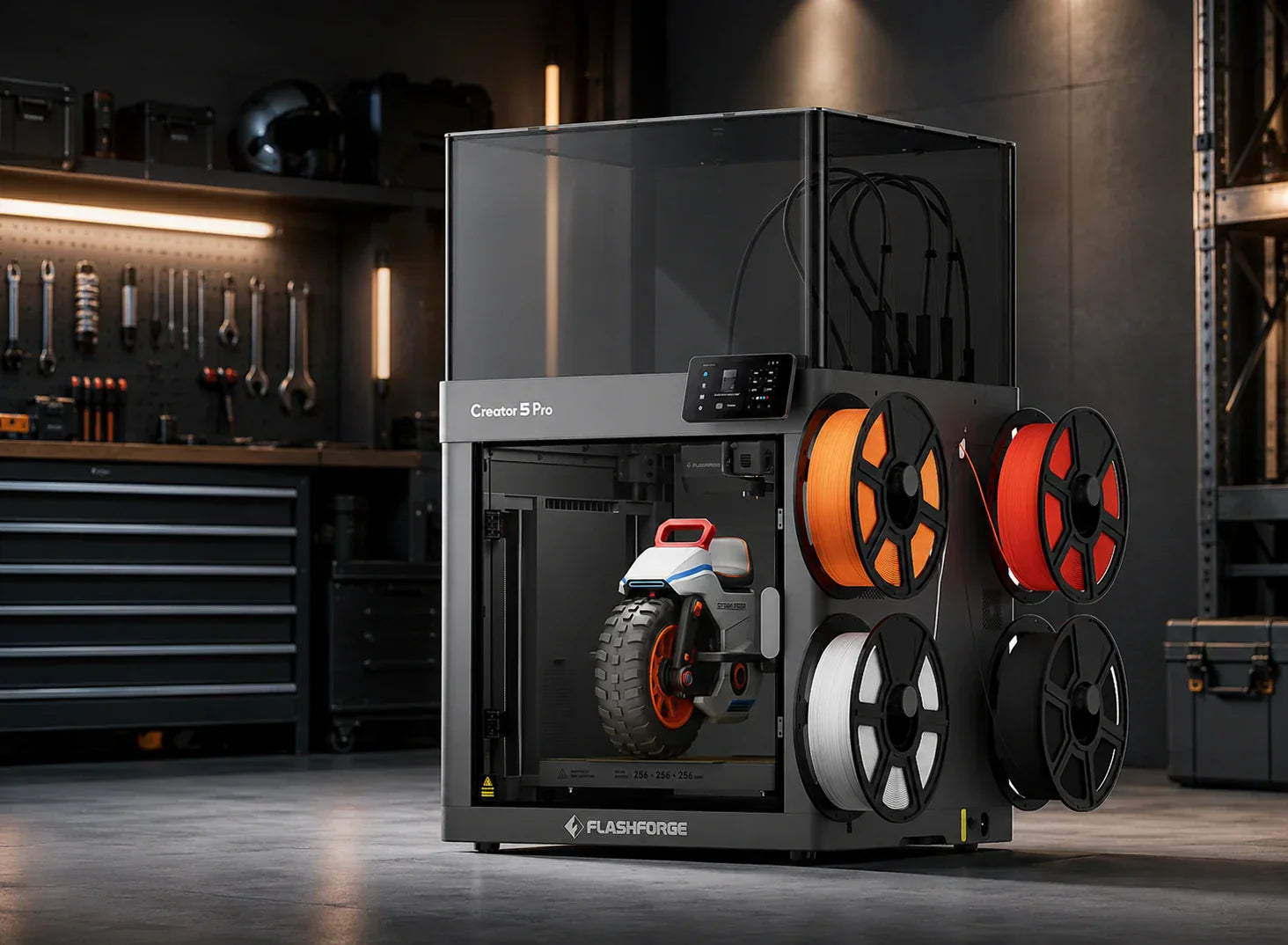
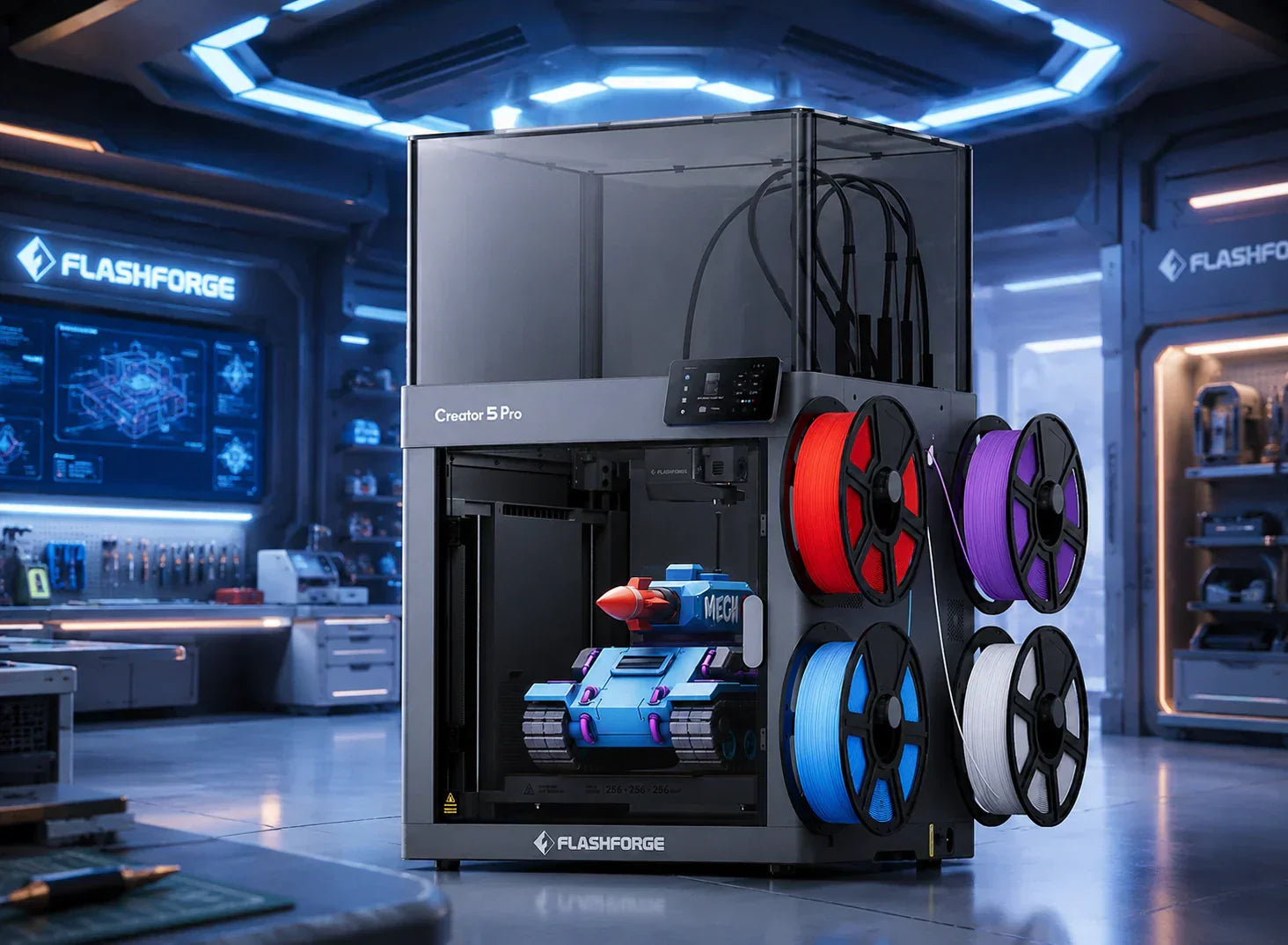
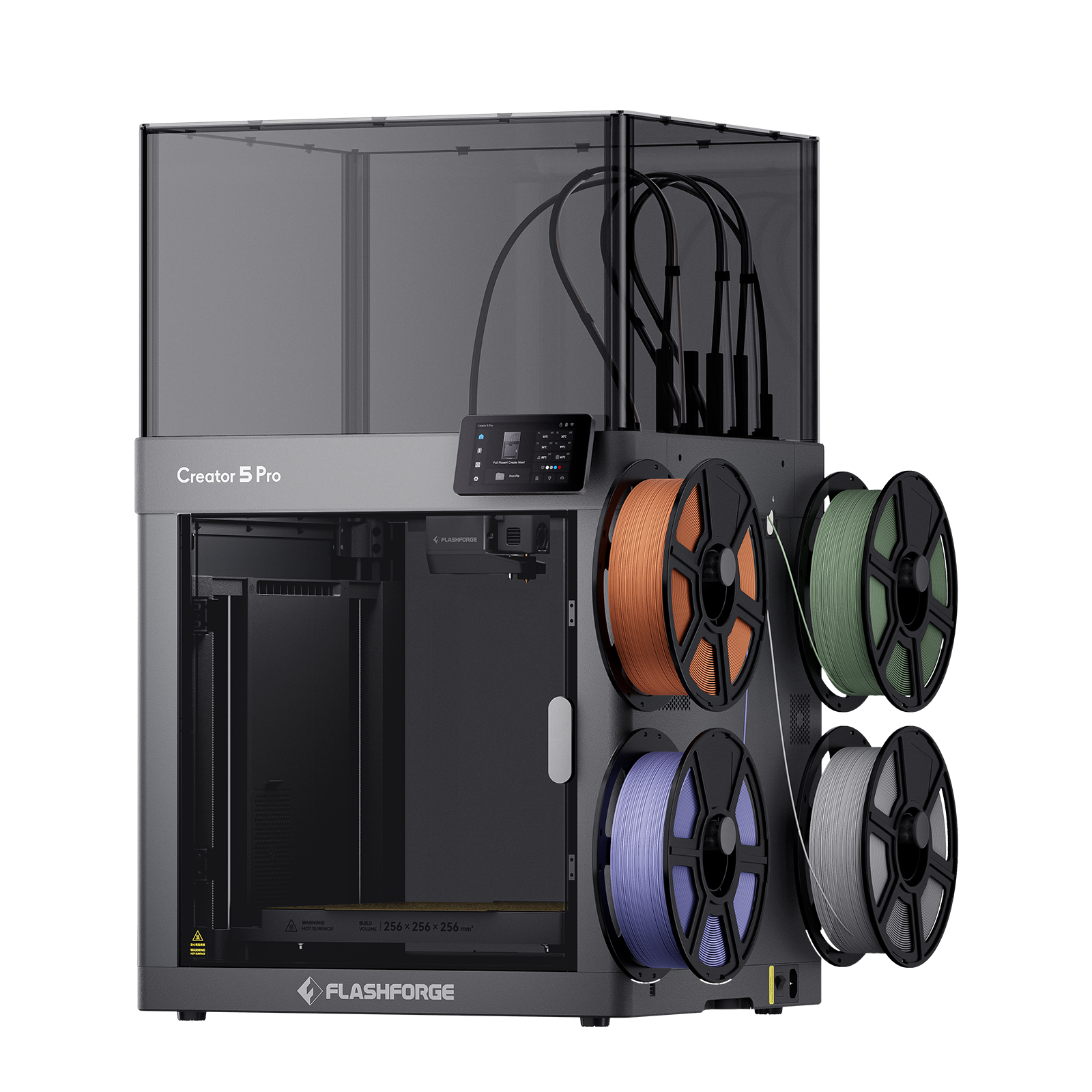
Along this evolutionary path, enclosed tool-changing platforms like the Flashforge Creator 5 Pro have bridged the gap between single-unit prototyping and low-volume production. It features a 256×256×256 mm build volume, a maximum printing speed of 300 mm/s, a 320°C hotend, and an actively heated chamber reaching up to 65°C. This combination allows engineering materials and multi-color finished pieces to run seamlessly on the same equipment.

Affordable Enough for Everyday Creators
Shifts across price tiers have also driven the mainstream adoption of FDM. Desktop market reports show significant shipment growth in lower price segments. Entry-level FDM printers have dropped into the few-hundred-dollar range, encouraging more households and educational institutions to buy a unit to test the workflow. At the same time, filament costs remain budget-friendly. A single spool of PLA or PETG can support numerous experiments and small projects, lowering the psychological barrier to starting out.
High-Speed Printing Changed Expectations
As a new generation of FDM platforms pushed speed boundaries, user expectations shifted accordingly. 3D printing a large model once took an entire day. Now, with rated speeds of 600 mm/s and accelerations of 20000 mm/s² entering budget categories, users have adapted to a faster setup-in-the-morning, prototype-in-the-afternoon workflow. This acceleration of turnaround times remains a major factor expanding the FDM user base.
Why FDM Still Dominates Homes and Studios
Resin 3D printing offers a clear advantage in fine details, but it demands strict management regarding odor, post-processing, and liquid handling. For most homes and studios, an FDM printer provides a tool experience that can run quietly right next to a desk or workbench. The filament is odorless or low-odor, cleanup tasks stay simple, and users do not need to wear gloves constantly to handle liquid materials. This low mental burden for daily operations, combined with a continuously expanding catalog of materials, helps FDM maintain an overwhelming presence in homes and studios.
Inside the FDM Printing Process
Understanding how the FDM process works helps clarify the real meaning behind technical specifications and structural marketing. It also explains why the exact same 3D printer can deliver vastly different results for different users.
How Filament Turns Into Physical Objects
The core of FDM can be described as a controlled plastic pencil. A drive gear pushes the filament into the hotend at a fixed rate, where it melts just above its melting point. The nozzle then extrudes the material onto the build plate, stacking it along the sliced paths to form a solid object. Nozzle temperature, feeding speed, and travel paths combine to dictate the cross-sectional shape and cooling rhythm of every single line. If the system extrudes too much material, layers squeeze against each other to cause bulges and lose detail. Insufficient extrusion creates gaps and structural weak points.
The Importance of Motion Accuracy
The motion mechanics determine the accuracy of the extruded lines. Factors like linear rail straightness, belt tension, acceleration profiles, and vibration compensation—core parts of a 3d printer—work together to determine if corners remain sharp and long straight edges stay free of ringing. This accuracy proves critical on high-speed FDM printers. When speeds scale up to 200–300 mm/s, insufficient frame rigidity or poorly tuned motion algorithms introduce defects like ghosting and ringing artifacts.
Cooling Can Make or Break a Print
The cooling system manages the transition of molten plastic from a flowing state to a set shape. Cooling too quickly locks the layers in place before they fully fuse, leading to layer separation and rough surfaces. Insufficient cooling causes geometry to sag and bridges to droop.
Ideal cooling strategies vary significantly across different materials:
-
PLA: Prefers strong, direct airflow.
-
PETG and ABS: Benefit from gentle, steady airflow.
-
Nylon: Requires slow cooling inside a higher ambient environment.
This variation explains why mid-to-high-end FDM printers implement auxiliary air ducts and multi-stage fan configurations. The Creator 5 Pro handles these needs by offering distinct heating mode and cooling mode airflow configurations. This allows ABS, ASA, PC, and PA to anneal slowly in a 65°C chamber, while increasing chamber ventilation for PLA, PETG, and TPU to balance layer adhesion with sharp details.
Slicer Settings Matter More Than Most Beginners Expect
Many beginners believe that a good 3D printer paired with quality filament is all it takes, but the slicing software actually dictates how the equipment interprets the geometry. Layer height, line width, wall counts, infill patterns, acceleration limits, retraction paths, and support strategies all affect printing time and quality. Experienced users maintain a library of material profiles. They use high fan speeds and lower temperatures for PLA, reduced retraction and lower fan speeds for PETG, and elevated chamber temperatures with slower outer wall speeds for ABS. Organizing these logics into reusable slicing configurations drastically improves the predictability of FDM printing.
Not All FDM Filaments Behave the Same
Switching a spool of filament on an FDM printer can feel like dealing with a completely different personality. Some materials cooperate easily, while others remain highly selective. Understanding major material differences helps you select the right fit for your project.
PLA Remains the Easiest Starting Point
PLA features a low melting point and low shrinkage while remaining forgiving of ambient environments, making it ideal for building initial success. Data from both educational and consumer markets show that the vast majority of new users start with a spool of PLA. It delivers high cost-effectiveness for prototypes, mockups, and decorative items.
PETG for Tougher Everyday Parts
For everyday load-bearing items and parts requiring decent temperature resistance, most users recommend PETG. It offers better impact resistance than PLA and remains more stable in outdoor or garage environments without requiring a fully enclosed chamber like ABS. Treating PETG as a tougher version of PLA serves as a practical workflow strategy.
ABS, ASA, and Heat-Resistant Printing
High-temperature environments, automotive interiors, and long-term sun exposure demand superior heat resistance. Materials like ABS and ASA provide higher glass transition temperatures and better environmental resistance. However, they demand strict chamber temperature control. Without a stable heated bed and a fully enclosed chamber, utilizing these materials effectively is difficult.
Flexible Materials Open New Applications
Flexible filaments like TPU allow an FDM printer to venture into soft-rubber components, including non-slip pads, cable sleeves, dampeners, and wearable accessories. This material class is highly sensitive to the feeding path, retraction settings, and printing speeds, showing a clear preference for direct drive extruders and short paths. Many users experience a clear transition from constant failures to stable production after upgrading their extrusion setups and shortening the travel path.
Composite Filaments for Engineering Use
Carbon fiber, glass fiber, and metal-filled filaments push FDM printing into high-rigidity, lightweight engineering applications. These composites typically use a PLA, PETG, or nylon base to increase structural strength while reducing warping and creep. They accelerate nozzle wear, requiring hardened steel nozzles and higher temperature configurations. FDM platforms equipped with high-temperature hotends and stable enclosed chambers naturally unlock better potential with these materials.
Where FDM Has a Clear Advantage Over Resin Printing
FDM printers retain natural advantages over resin curing systems in specific scenarios, which explains why experienced resin users keep an FDM printer on their workbenches.
Bigger Parts Without Extreme Costs
Resin 3D printing delivers impressive fine details, but larger prints require more liquid resin, drive up post-processing costs, and demand larger washing and curing stations. FDM uses spools of filament, and infill structures ensure almost no material is wasted inside a hollow part. The cost of a large component depends mostly on print time and minimal support structures. FDM presents a much gentler cost curve for furniture brackets, large props, and architectural models.
Better for Functional and Mechanical Models
For applications requiring screw fasteners, sustained mechanical loads, or frequent handling, FDM thermoplastic materials behave similarly to traditional engineering plastics. They integrate well with threads, press-fits, and riveting methods. The brittle nature of standard resin parts and their tendency to age under prolonged UV exposure usually limit them to secondary roles in these applications.
Easier Workflows for Schools and Offices
Schools and offices place a high premium on safety, cleanliness, and low operational barriers. Resin systems involve liquid chemical handling, distinct odors, and post-processing solvents, requiring strict supervision and training. An FDM printer behaves more like a smart hot-glue gun, requiring only basic attention to build plate temperatures and room ventilation. Market reports show that the vast majority of desktop equipment in education utilizes FDM technology, aligning perfectly with these practical operational advantages.
Why Print Farms Rely on FDM Systems
Small print farms and custom manufacturing businesses focus on deliverable part counts per hour and manageable maintenance routines. FDM maintenance centers around predictable components like nozzles, heated beds, and mechanical wear parts, which offer low replacement costs and easy standardization. Resin systems introduce extra layers of complexity with liquid vats, light arrays, and multi-stage washing workflows. Many light production facilities deploy arrays of mid-sized FDM printers paired with unified slicing and remote monitoring to create a highly flexible manufacturing capacity.
Lower Material Waste and Maintenance
Regarding material utilization rates, FDM waste comes almost entirely from necessary support structures and occasional failed prints. Resin printing requires maintaining a specific liquid level in the vat, scraping residual chemicals, and replacing worn vat films, creating higher hidden consumable costs. For cost-conscious teams, these maintenance and waste differences add up to significant expenses over a single year.
Choosing FDM for the Right Applications
Understanding the core strengths of FDM makes the next step clear: identifying which scenarios benefit most from FDM, and which ones warrant resin or other technologies.
Rapid Prototyping and Product Testing
Rapid prototyping and assembly validation serve as natural use cases for FDM. Design iterations involve significant trial and error. Many teams employ a strategy of using PLA or PETG to print multiple versions quickly, switching to more expensive materials only after passing assembly tests.
Custom Parts and Small Manufacturing Runs
FDM excels at multi-printer parallel production for small batches ranging from dozens to hundreds of pieces. A typical example involves small studios utilizing several enclosed high-temperature platforms like the Creator 5 Pro. They produce multi-color appearance parts during the day and run nylon or carbon fiber functional components overnight. By using unified slicing and remote camera monitoring, they maintain delivery schedules and successfully push desktop equipment into a light manufacturing role.
Educational Projects and Creative Work
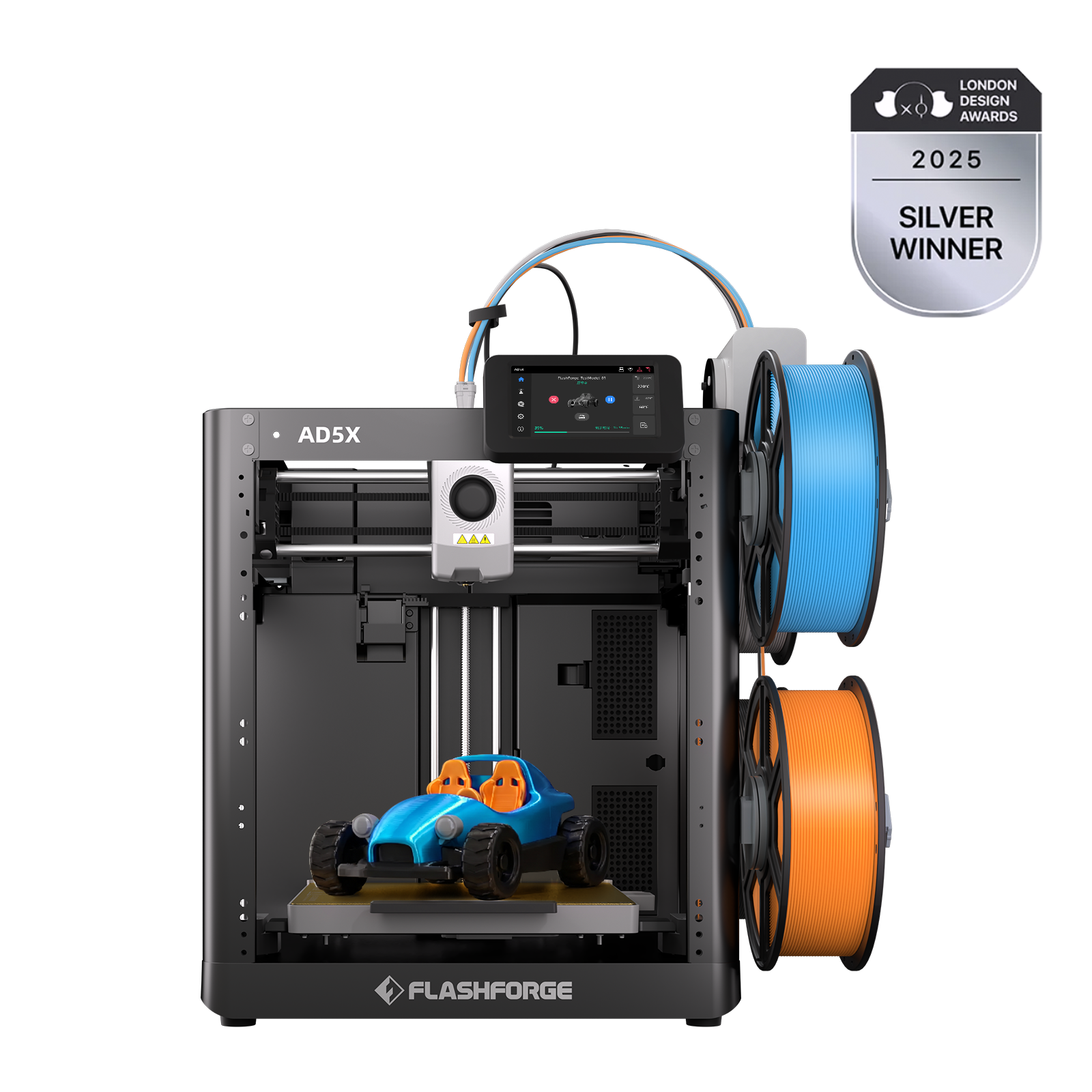
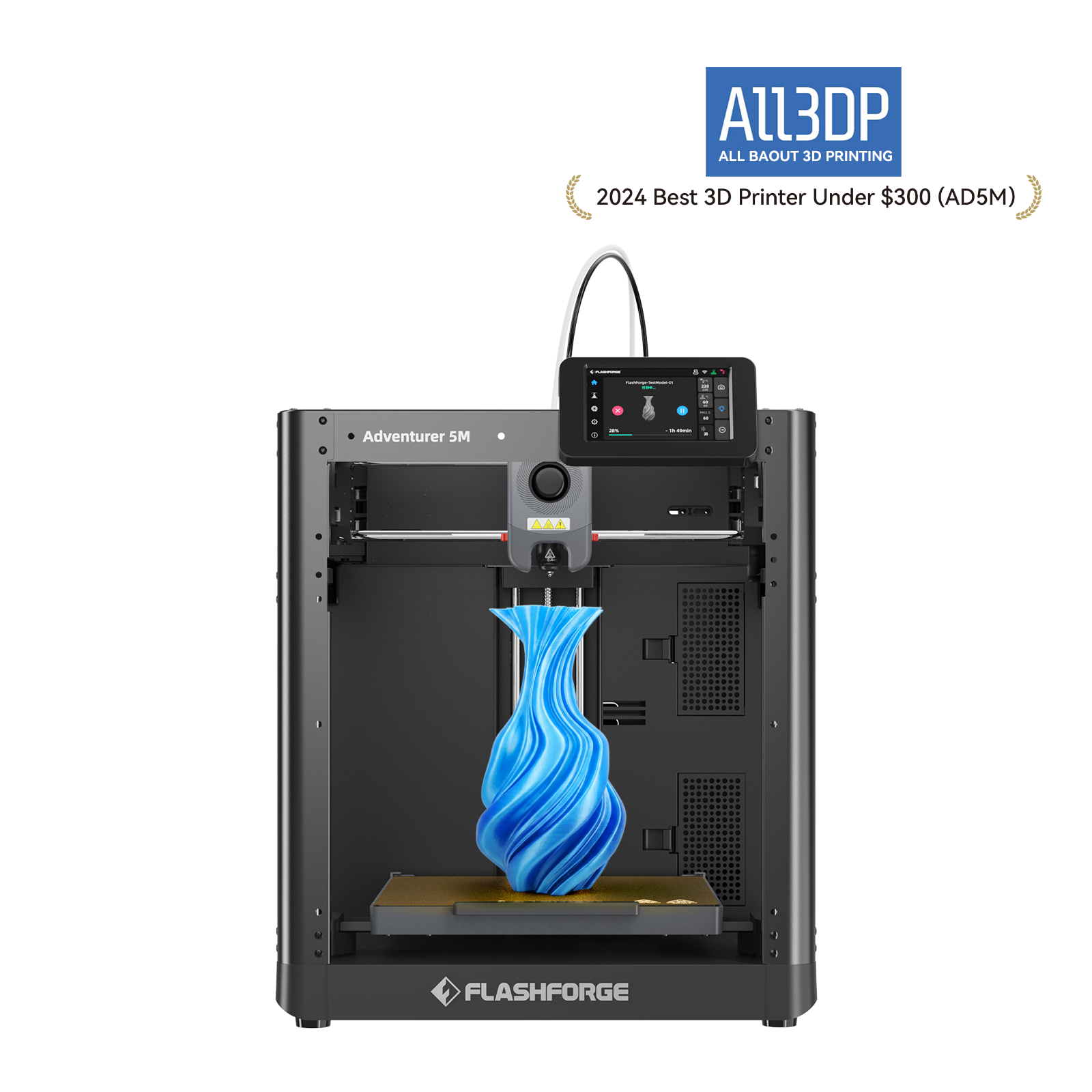
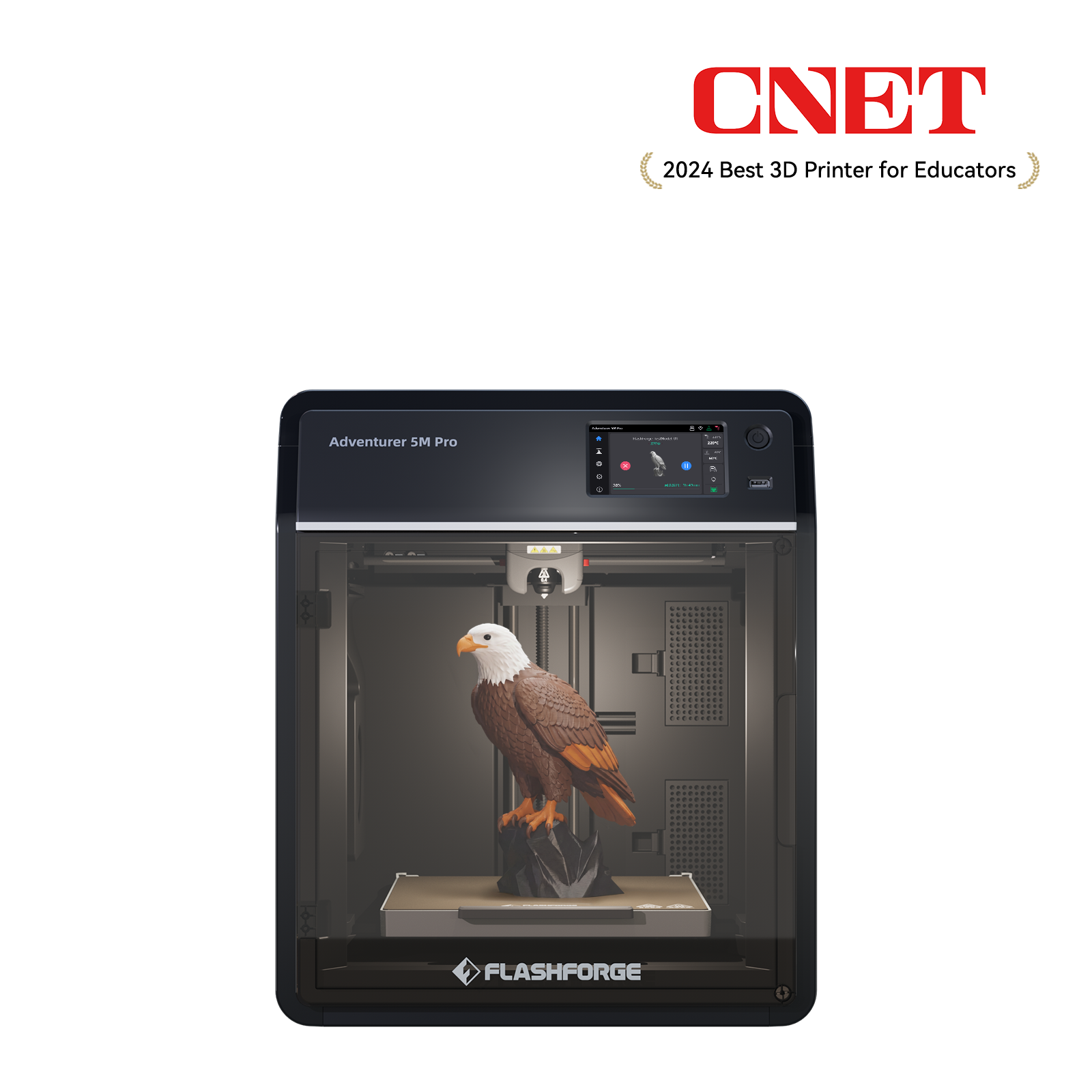
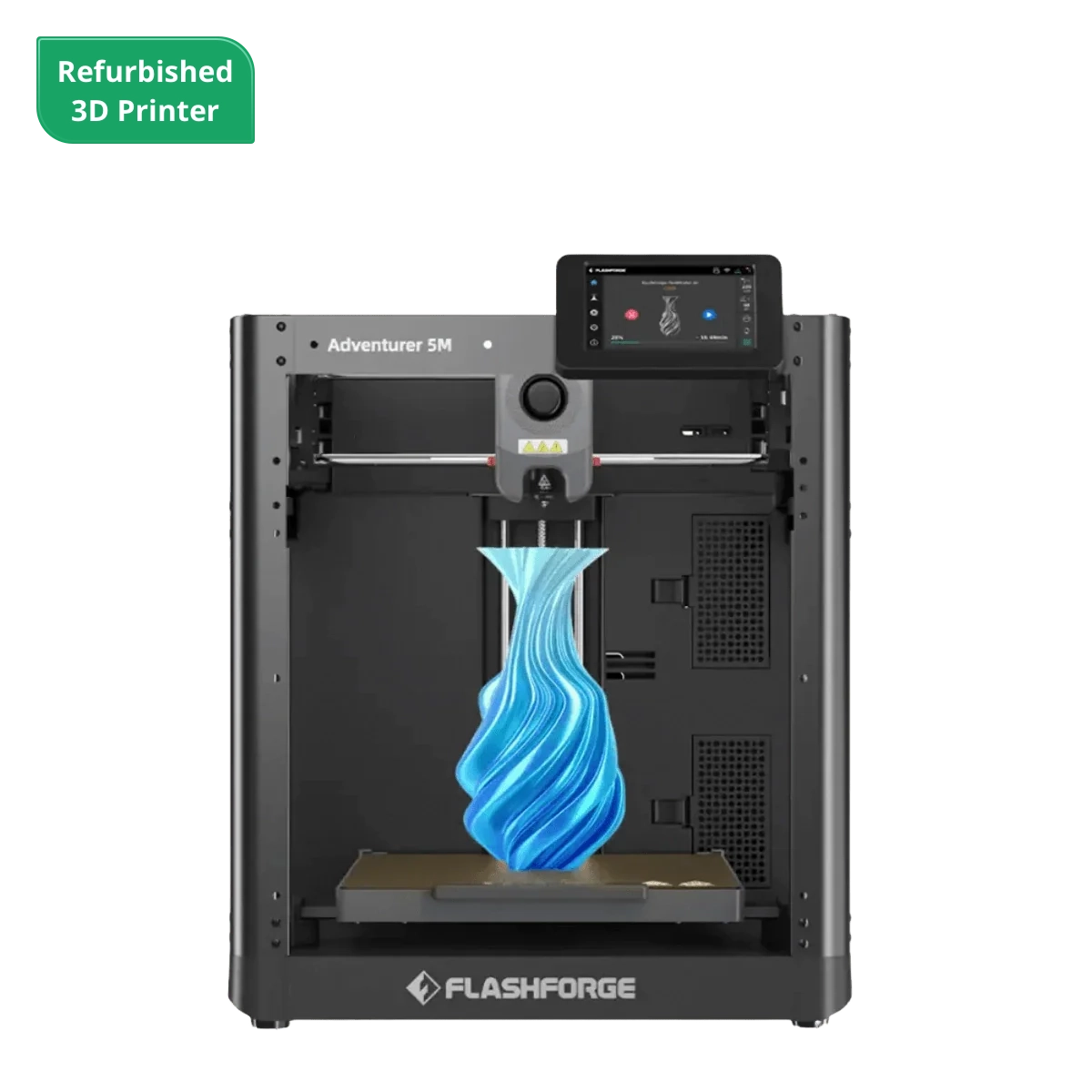
Educational projects, maker courses, and artistic creations place a higher premium on interactivity, visibility, and safety. Students engage with the entire FDM process from modeling and slicing to observing extrusion paths. This hands-on experience provides an intuitive introduction to digital manufacturing. All-in-one desktop options like the Adventurer 5M series feature automatic bed leveling and low noise, making them ideal for classrooms, workshops, or extended creative projects at home.
When Resin Printing Makes More Sense
Resin printing remains highly competitive in two specific scenarios: small models requiring extreme detail, and components needing high optical clarity or specialized resin properties. Resin serves you best if your primary needs center on jewelry prototypes, miniatures, or transparent optical parts. However, when projects involve larger components, mechanical fits, or functional parts built for long-term use, FDM remains the more reliable primary choice.
Conclusion
FDM handles many tasks well and serves as the best starting point for most users. It allows you to transform a digital file into a physical object with low costs and a short learning curve. If you require industrial-grade precision or an injection-molded surface finish, SLA or SLS processes fit better. For fast, affordable, and functional results, FDM remains the most practical choice in 2026. Understanding its capabilities allows you to maximize its utility. If you need an FDM solution that spans daily PLA or PETG tasks up to engineering nylon and multi-color finished pieces, the Flashforge Creator 5 Pro serves as a dependable core production platform, turning print success into a highly predictable daily routine.