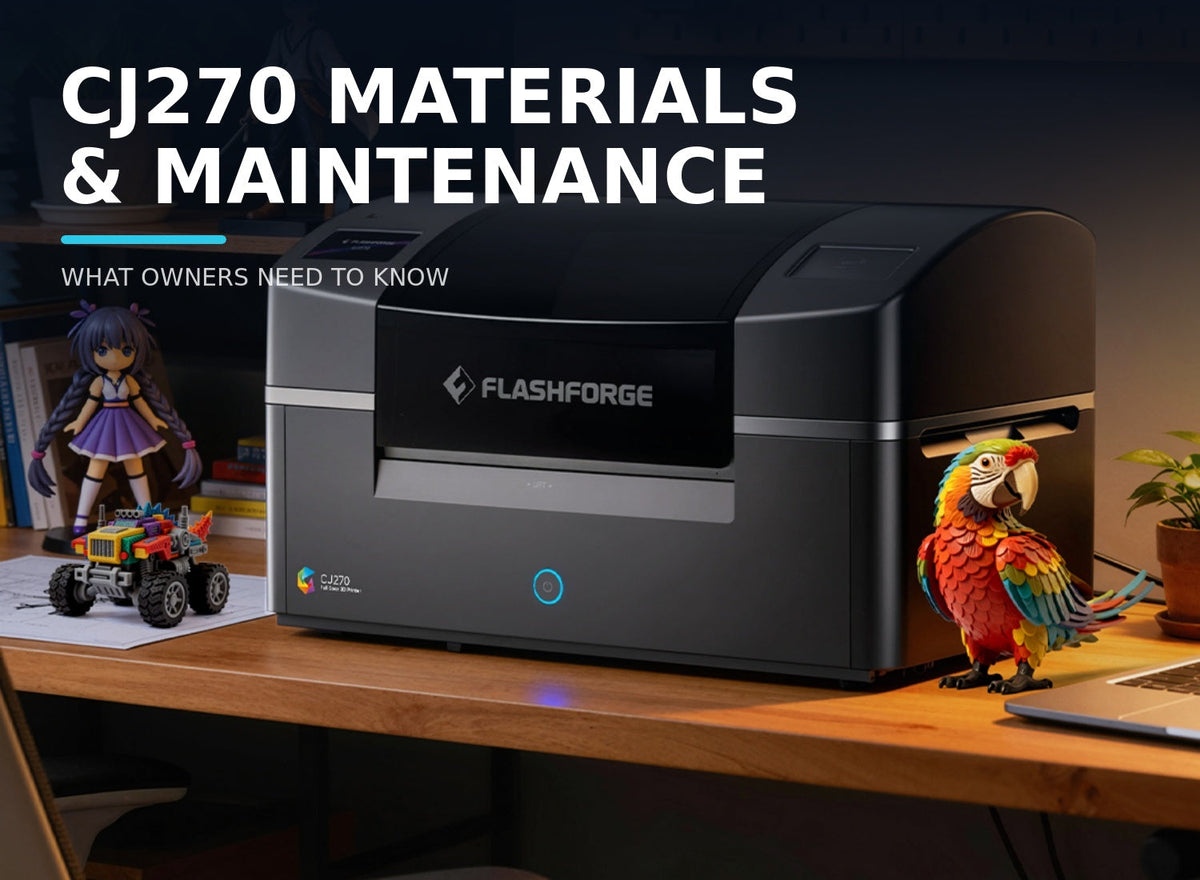



A custom 3D printed figurine does not have one standard price. A model made from a printable file may require little preparation, while a personalized figure created from photos can involve sculpting, texture work, support removal, and detailed finishing. Size is only one part of the calculation.
To understand a quote, separate the project into four stages: modeling, printing, equipment use, and finishing. The method also matters: FDM suits simple figures, resin captures fine geometry, and full-color material jetting produces color as part of the model.
What Goes Into the Cost of a Custom 3D Printed Figurine?
The final cost reflects the complete 3D printing workflow, not just the grams of material in the finished figure. The following factors usually have the greatest effect.
Creating or Buying the 3D Model
A printer needs a printable 3D file, not simply a photograph or character idea. If a suitable licensed model already exists, the file cost may be modest. A fully personalized figure is different: an artist may need to sculpt the face, hair, clothing, pose, and accessories, then repair the mesh and prepare color textures.
Photos do not contain the hidden geometry behind a subject. A single front view therefore requires more interpretation than clear images from several angles. Modeling is often a separate service and should be itemized.

Figurine Size, Detail, and Material Use
Larger figures normally consume more build material and support, but volume matters more than height alone. A wide cape, solid base, or outstretched arm can use more material and build space than a taller, compact pose.
Thin fingers, hair, weapons, and small accessories may need reinforcement or a different orientation. A figure split into parts also adds connectors, assembly, and seam finishing.
Supports, Cleaning, and Surface Finishing
Supports count even though they do not remain in the figurine. Their amount depends on the process, pose, orientation, and overhangs. Finishing may include support removal, washing, drying, curing where required, assembly, surface correction, and coating.
A complex pose can therefore cost more than a simple upright figure of similar size. When comparing quotes, check whether cleaning and basic finishing are included or charged separately.
Hand Painting or Full-Color Printing
A single-color print needs painting to reproduce realistic skin, patterned clothing, facial features, or gradients. Paint may cost less than the skilled labor needed for priming, masking, and layering colors.
Full-color printing shifts much of that work into file preparation and can reduce repeated painting when the model contains accurate color data. Flashforge’s multicolor vs full-color 3D printing guide explains limited-color filament printing versus digitally mapped color.
How Different Printing Methods Affect the Cost
The most economical method is the one that delivers the required result with the least total work. Comparing only material price can hide the cost of painting, support removal, failed prints, or labor.

FDM for Simple, Lower-Cost Figurines
An FDM 3D printer builds a model layer by layer using melted thermoplastic 3D printer filament. It is often a cost-effective option for larger figurines, simple shapes, or designs with clearly separated color areas. However, layer lines may remain visible, and small features such as facial details may not appear as sharp. Achieving a smoother, display-ready finish may require sanding, filler, primer, and paint, which adds time and labor to the overall cost.
Resin Printing for Fine Details That May Need Painting
Vat photopolymerization cures liquid resin with light and is often chosen for small figures with fine geometry. A typical single-color print still needs washing, curing, support removal, and painting for multiple colors. NIST provides an independent overview of vat photopolymerization.
Include process supplies, cleaning materials, failures, and finishing time in the real cost.
Full-Color Printing for Figurines With Color Built In
Material jetting deposits droplets and cures them to form an object. NIST describes material jetting as a process in which deposited material is cured with ultraviolet light. Full-color systems can create shape and mapped color together.
This suits visual models with skin tones, gradients, and fine graphics. Dedicated materials, supports, equipment care, and file preparation remain costs, but repeated painting may be reduced. Flashforge’s guide to UV printing and UV-curable 3D printing explains how this differs from applying ink to an existing object.
|
Printing Method |
Best For |
Main Cost Drivers |
Finishing Needed |
|
FDM |
Simple or larger figures; bold color sections |
Filament, print time, supports, failed prints |
Support removal; often sanding, priming, and painting |
|
Vat resin printing |
Small figures with fine geometric detail |
Resin, supports, cleaning supplies, curing, failures |
Washing, curing, support removal, and usually painting |
|
Full-color material jetting |
Detailed visual figures with mapped color, gradients, or textures |
Build and support materials, file preparation, equipment care |
Support removal, drying, and optional surface finishing |
The table shows why the lowest printing-material cost does not always produce the lowest cost for a finished, presentation-ready figurine.
How Much Does a Figurine Cost to Print at Home?
For a desktop 3D printer, start with a repeatable calculation rather than a universal per-centimeter price:
Cost per figurine = modeling cost + build and support materials + equipment and expected losses + post-processing labor and supplies
Calculate Material and Support Use
Slice the actual model at its intended size and orientation. Record both build and support materials rather than using final weight alone. For several figurines in one build, calculate from the complete layout.
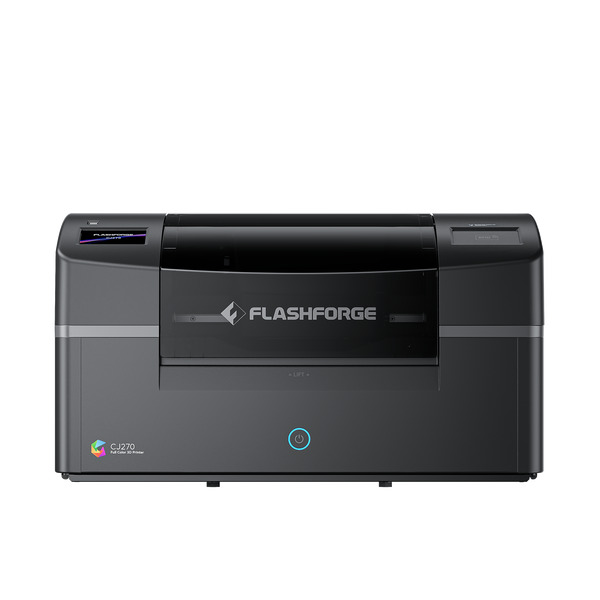
For the Flashforge CJ270, import the model into ColorPrint, set its size and layout, and review the file’s material-use estimate. Final cost still depends on supports, cleaning, and finishing.
Account for Failed Prints and Equipment Upkeep
Not every print will produce a usable figurine. Test prints, interrupted jobs, damaged details, and models that fail quality checks all consume materials and machine time. A realistic cost estimate should therefore include an allowance for unsuccessful prints, along with routine expenses such as filters, replacement parts, cleaning, and maintenance.
For studios producing multiple figurines, these expenses can be calculated across a monthly production volume or an entire batch rather than assigned to a single print.
Include Your Time for Preparation and Finishing
The time spent before and after printing should also be included in the cost. This may cover checking and scaling the model, arranging it on the build platform, preparing supports, reviewing textures, cleaning and drying the print, assembling separate parts, correcting the surface, painting, and completing a final quality check.
Printing at home may reduce the amount paid to an external service, but the project can still require several hours of hands-on work.
When the Flashforge CJ270 Makes Sense for Custom Figurines
For figurines that depend on skin tones, gradients, clothing patterns, or fur markings, full-color printing can reduce the need for time-consuming hand painting. The Flashforge CJ270 uses MJP material jetting to print the model’s shape and color together with CMYK, white, and clear materials.
With more than 10 million colors, a 7 μm layer thickness, water-soluble support, and a 180 × 120 × 100 mm build volume, it is suited to custom portraits, pet figurines, tabletop characters, and other detailed display models. It is less suitable for large or load-bearing functional parts.
Printing Detailed Figurines With Color Built In
For a pet keepsake, stylized portrait, or tabletop character, the CJ270 prints form and color in the same build. It suits skin tones, gradients, costume patterns, and fur markings that are slow to reproduce consistently by hand.
The support still needs to be dissolved and the model dried. Optional polishing or clear coating may improve the desired presentation, so “full color” should not be read as “no post-processing.”
Estimating the Cost of a Specific Figurine
In ColorPrint, confirm the dimensions, layout, supports, and estimated material use of the textured model. Then add modeling, cleaning, drying, and surface treatment.
A reliable quote needs more than “one photo” or “one figurine.” It must define the model’s readiness, finished size, missing geometry, and expected finish.

When In-House Full-Color Printing Is Worth Considering
In-house full-color printing becomes more practical when a studio regularly produces custom characters, pet figurines, collectibles, or presentation models. In this case, compare the cost of outsourcing each project with the total cost of owning and operating the printer, including materials, maintenance, labor, and how often the equipment will be used.
For someone who only wants an occasional figurine, using a professional printing service is usually more economical than buying and maintaining a full-color 3D printer.
For filament-based cost comparisons, multi color 3D printing with Creator 5 and an enclosed 3D printer such as Creator 5 Pro represent different equipment and material workflows.
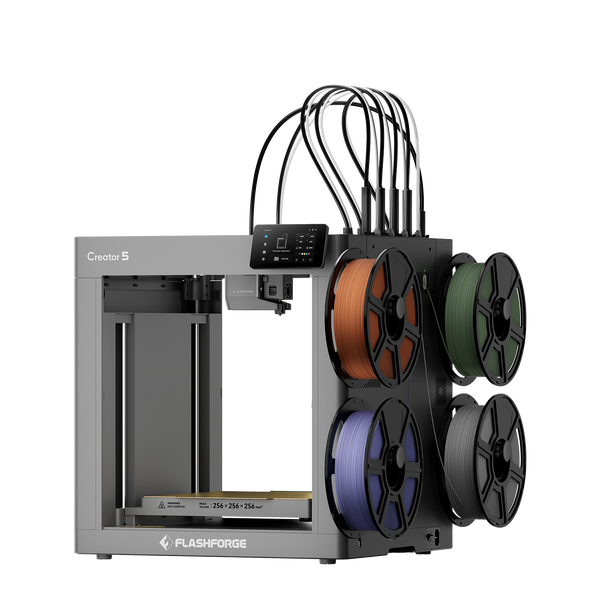
Flashforge Creator 5 4-Toolheads Multi-Color 3D Printer | 500% Faster, Zero Purge Waste
Customers purchasing the CJ270 can currently add a $49 benefits package that includes one complimentary sample print and a one-year supply of printing materials. The sample provides an opportunity to evaluate a specific model before beginning regular production, while the included materials can reduce initial operating costs.
Is It Cheaper to Print a Figurine Yourself or Order One?
The answer depends mainly on frequency, available skills, and the required finish—not just the printer’s material consumption.
When a Print Service Makes More Sense
Ordering often makes sense for a one-off gift, first prototype, or unfamiliar process. Confirm whether modeling, revisions, finishing, shipping, and replacement of failed parts are included.
When In-House Printing Makes More Sense
In-house printing can be economical with regular use, skilled operators, and frequent iterations. Low utilization has the opposite effect: ownership and maintenance are spread across too few finished parts.
How to Reduce the Cost Without Losing Important Details
Cost reduction works best when it protects the features viewers notice and simplifies the parts they do not.
Choose a Practical Size and Pose
Set the size by the smallest detail that must remain visible. A compact pose usually needs less build space and support than wide wings, extended weapons, or separated fingers.
Simplify Hidden Details and Excessive Supports
Remove nonstructural hidden geometry. Adjust the pose or split the model at natural seams to reduce overhangs, but do not weaken fragile parts merely to save material.
Prepare a Printable Model Before Requesting a Quote
Provide a watertight mesh at the intended size, plus textures, references, and the finishing specification. State whether modeling, repair, support removal, assembly, painting, or coating should be included.
Conclusion
The cost to 3D print a custom figurine combines modeling, build and support materials, equipment use and losses, and post-processing. FDM suits simple pieces, resin captures fine geometry, and full-color material jetting can reduce repeated painting.
For an accurate estimate, prepare the model, choose its finished size and process, then price the complete workflow rather than relying on a generic per-figurine figure.
Frequently Asked Questions
Is Modeling Included in the Price of a Custom Figurine?
Not always. Ask whether sculpting, revisions, texturing, file repair, and print preparation are itemized.
Does a Larger Figurine Always Cost More?
Usually, but not in direct proportion to height. Pose, volume, supports, layout, and finishing can make a smaller complex figure cost more.
Is Full-Color Printing Cheaper Than Hand Painting?
It depends on quantity, color complexity, equipment use, and labor rates. Full-color printing can reduce repeated painting for textured figures, but it uses dedicated materials and still requires support removal and finishing.
Can I Get a Price Estimate From a Photo Alone?
Only a rough preliminary range. A photo does not define the complete 3D shape, final dimensions, hidden details, support requirements, or finish. An accurate quote needs a printable model or a separate modeling scope.
How Can I Estimate the Cost of Printing a Figurine on the CJ270?
Import the prepared 3D model into ColorPrint, set the final dimensions and layout, review the supports, and use the file’s material-use estimate. Add modeling, equipment allocation, expected losses, support cleaning, drying, and any polishing or coating to calculate the finished cost.