













Table of Contents
A 3D printer can turn a digital file into a useful household item, a personalized gift, a classroom model, or a working prototype. Beginners can start with keychains and desk organizers. Experienced makers can move into robotics, custom tooling, and small-batch production.
The best project is not always the most complex one. It should match your skill level, material, printer type, and available time. A practical print should solve a clear problem, teach a useful skill, or create something worth keeping.
This guide covers more than 50 things you can make with a 3D printer, from simple weekend projects to advanced functional parts.
Why 3D Printing Opens Up Endless Creative Possibilities
3D printing builds physical objects layer by layer from a digital model. Unlike conventional production methods that may require molds or tooling before manufacturing begins, a desktop 3D printer makes it easier to test one idea at a time.
This flexibility supports many types of projects. You can create a customized object for one person, repair a broken household item, print a classroom model, or test a product enclosure before moving into production.
The main advantage is iteration. When a part does not fit or a design feels awkward, you can adjust the file and print a revised version. This makes 3D printing useful for both creative work and practical problem-solving.
The best 3D printer is not simply the fastest machine. It is the printer that fits the projects, materials, and workflow you want to explore.
Beginner-Friendly Things to Make with a 3D Printer
Beginner projects should be simple enough to print reliably while still producing a useful result. Start with models that have a stable base, limited overhangs, and minimal assembly.
Once the first few prints succeed, you can begin testing customization, color changes, moving parts, and more detailed geometry. For additional inspiration, the Flashforge Blog shares more beginner-friendly 3D printing ideas, including toys, household items, tools, art projects, and educational models.
Keychains and Personalized Name Tags
Keychains and name tags are easy to customize. They print quickly and use little filament.
Try a luggage tag, backpack label, pet tag, locker nameplate, desk nameplate, event badge, or personalized gift tag. Add raised text, a recessed icon, or a second color to make the design more distinctive.
These small projects are also useful for learning basic slicer settings. You can test layer height, first-layer adhesion, and color changes without waiting for a long print to finish.
Phone Stands and Cable Organizers
Phone stands and cable organizers solve everyday problems without requiring complicated geometry.
Useful ideas include a phone stand, tablet stand, charging dock, cable clip, cable comb, headphone hook, under-desk wire guide, and charging-cable holder.
Measure the device and cable thickness before printing. A small dimensional difference can determine whether the part fits securely or feels too loose.
Simple Desk Accessories and Storage Tools
A 3D printer can turn unused desk space into practical storage.
Start with a pen cup, sticky-note tray, SD card holder, USB drive organizer, drawer divider, monitor riser foot, controller stand, label holder, or small-parts bin.
Modular designs work especially well. Print one tray first, check the dimensions, and add matching sections later.
Easy Toys and Fidget Gadgets
Simple toys and fidget gadgets are a good starting point for exploring movement, color, and basic assembly.
Try an articulated animal, spinning top, puzzle cube, toy car, finger skateboard accessory, fidget spinner, balance toy, or simple construction set.
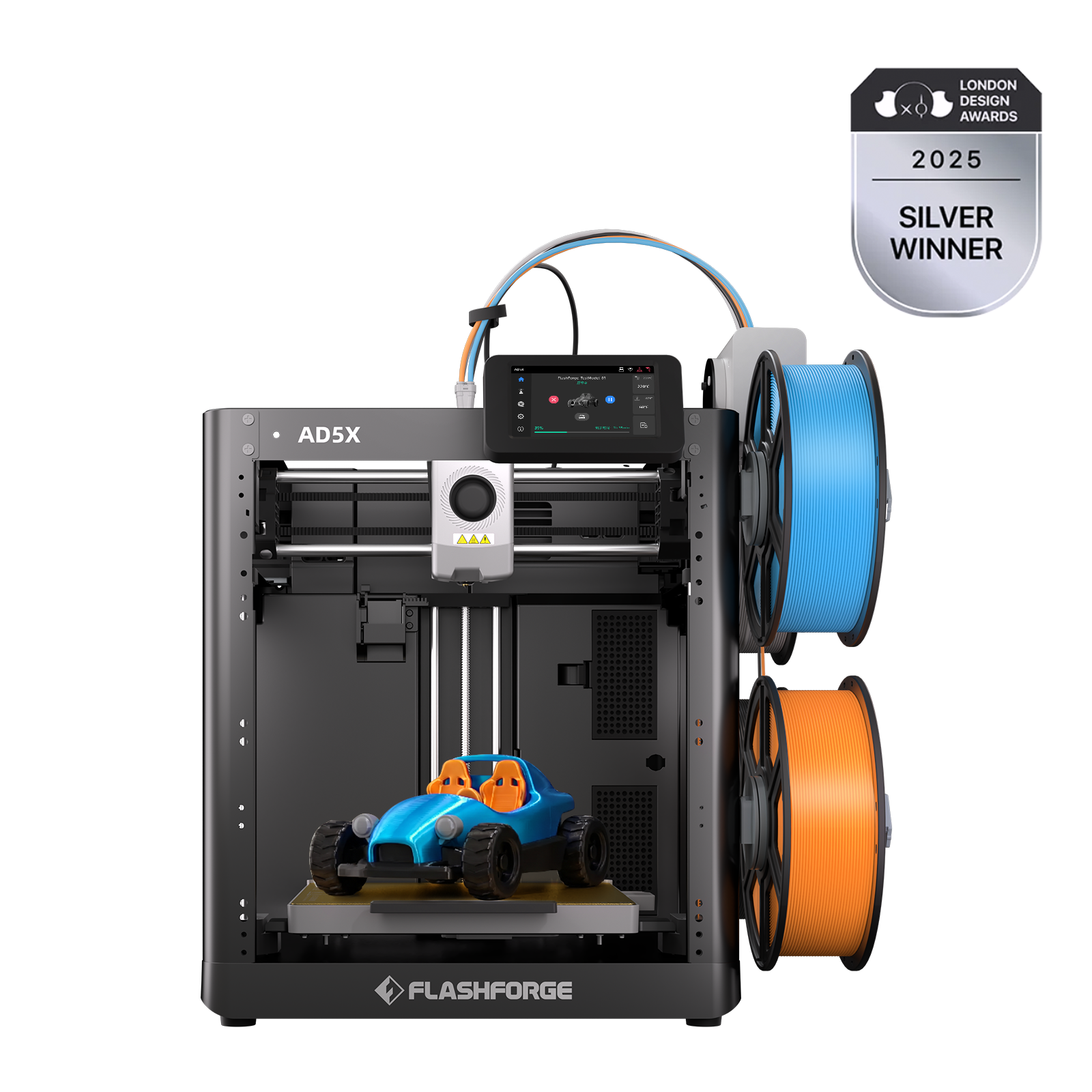
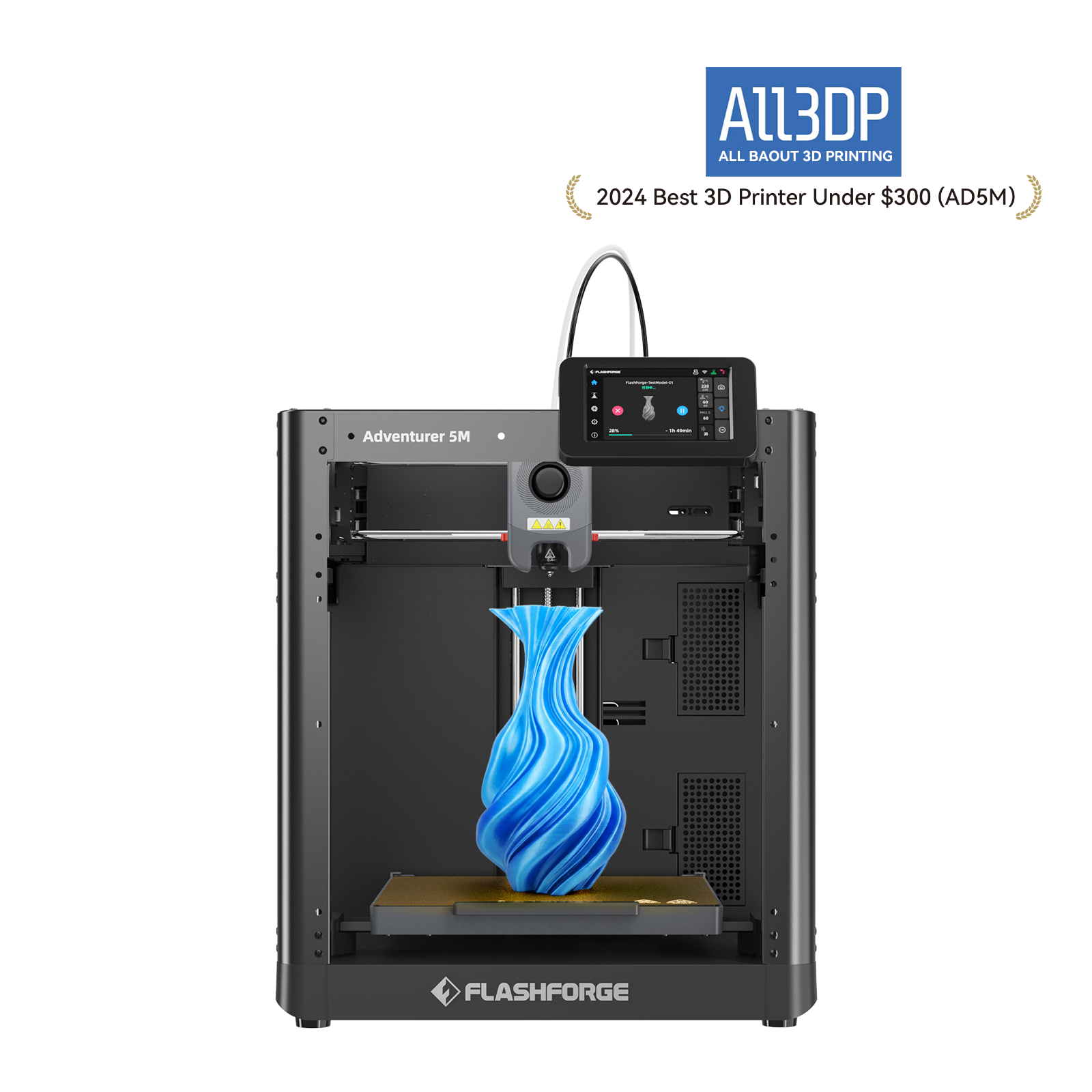
The Flashforge AD5X supports four-color printing through its integrated IFS, which automates filament switching and handling. It also supports multi-color TPU 64D printing. This makes it a practical option for colorful toys, flexible figures, and personalized projects with clearly separated color zones.
Practical Household Items You Can 3D Print
Household projects often showcase the most immediate benefits of 3D printing. Rather than being purely decorative, these prints solve everyday problems, improve organization, or replace small household items.
Even simple designs benefit from careful planning. Accurate measurements and a quick test print help ensure the final part fits and works as intended before making multiple copies.
Drawer Organizers and Hooks
Small storage tools are among the most useful household prints.
You can make drawer dividers, wall hooks, closet labels, pegboard holders, broom clips, cable anchors, key holders, shelf brackets for light-duty use, and stackable storage trays.
Match the material and wall thickness to the intended load. A lightweight cable hook does not need the same structure as a workshop holder.
Kitchen Tools and Measuring Aids
A 3D printer can create measuring guides, bag clips, funnel adapters, recipe-card holders, drawer organizers, coffee-filter holders, and non-contact storage tools.
Use caution when an item may touch food. The FDA explains that food-contact substances include materials used in packaging, processing equipment, food-preparation surfaces, and cookware. Suitability depends on the material and its intended use. Review the FDA guidance on food-contact substances before using a printed object for direct food contact.
For many home projects, it is safer to print organizers, holders, and measuring references that do not touch food directly.
Wall Mounts and Smart Home Accessories
Custom mounts help place devices where standard accessories do not fit.
Possible projects include a smart-speaker bracket, sensor mount, remote-control holder, router shelf, cable pass-through, camera stand, charging cradle, thermostat guard, and wall-mounted tablet holder.
Check the device dimensions, cable path, ventilation needs, and mounting surface before printing.
Replacement Parts for Everyday Objects
Replacement parts can extend the useful life of household products.
Common examples include knobs, caps, clips, spacers, furniture feet, drawer stops, light-duty handles, appliance covers, curtain-rod brackets, and small adapters.
Not every replacement part is suitable for 3D printing. Avoid safety-critical uses unless the design, material, and testing process match the expected load, heat, and operating conditions.
Creative Decor and Art Projects
Decorative projects give you more freedom to experiment with color, shape, and surface finish.
They are also useful for testing post-processing methods and multi-color workflows without the dimensional requirements of mechanical parts.
Vases and Modern Home Decor
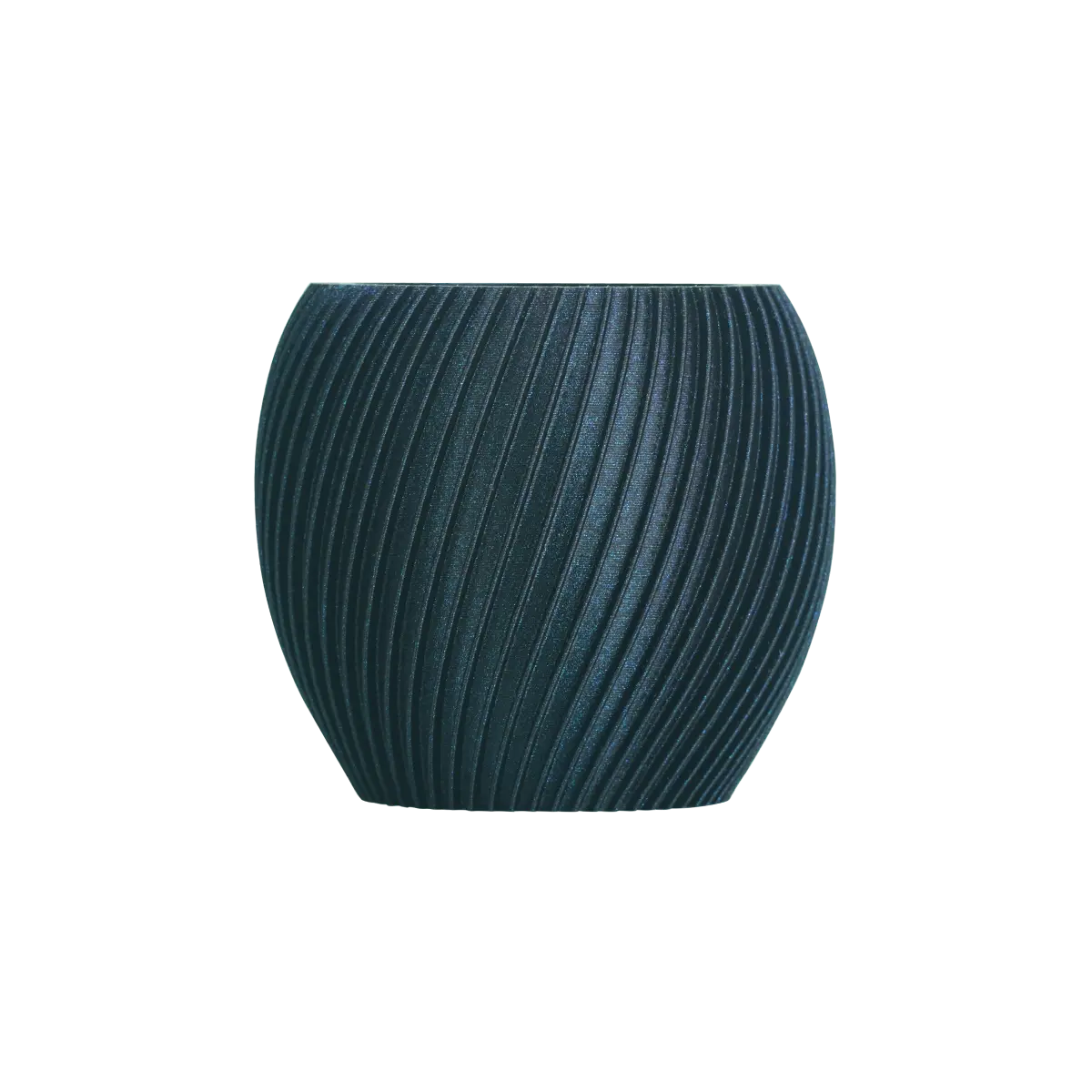
Vases are popular because they can look complex while remaining easy to print.
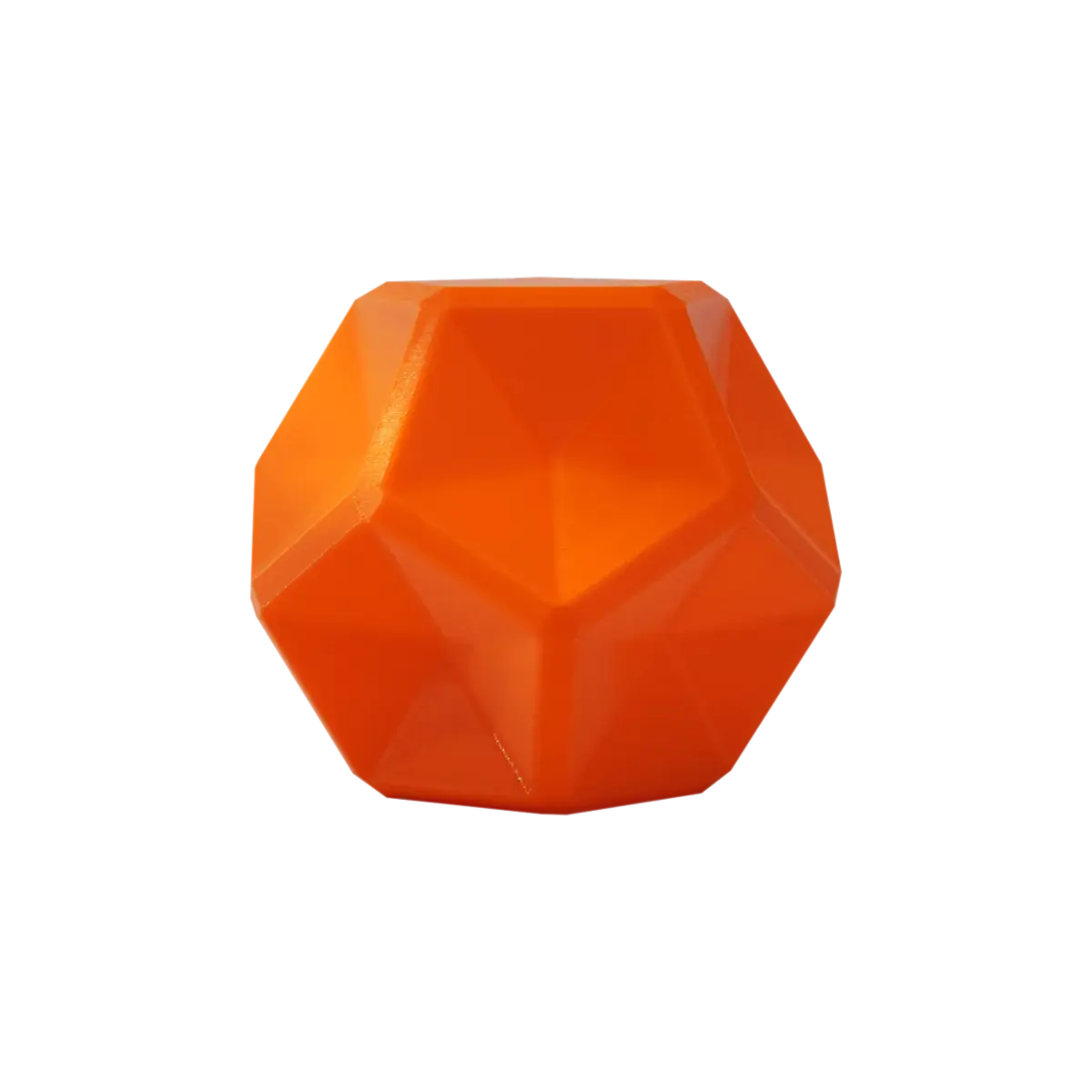
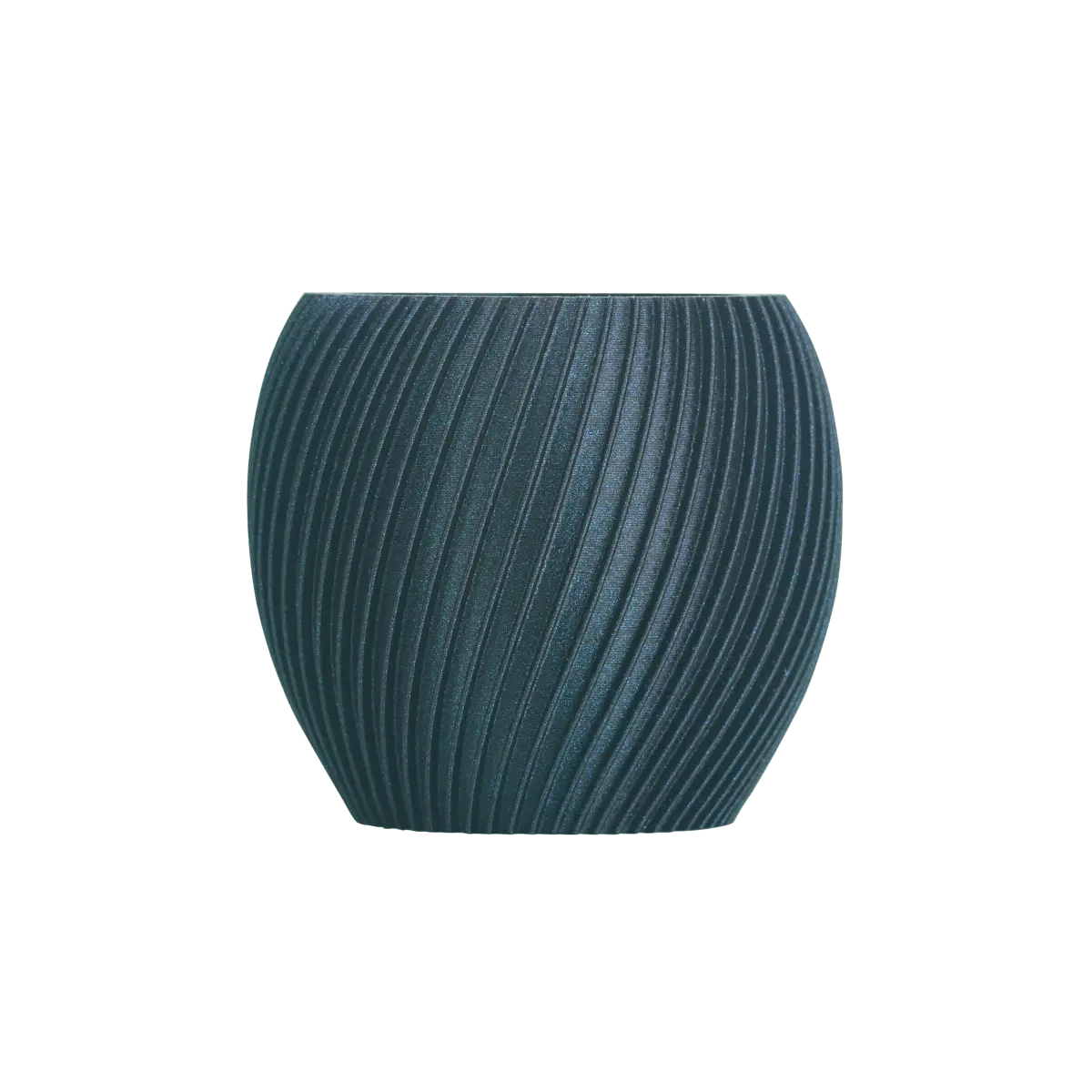
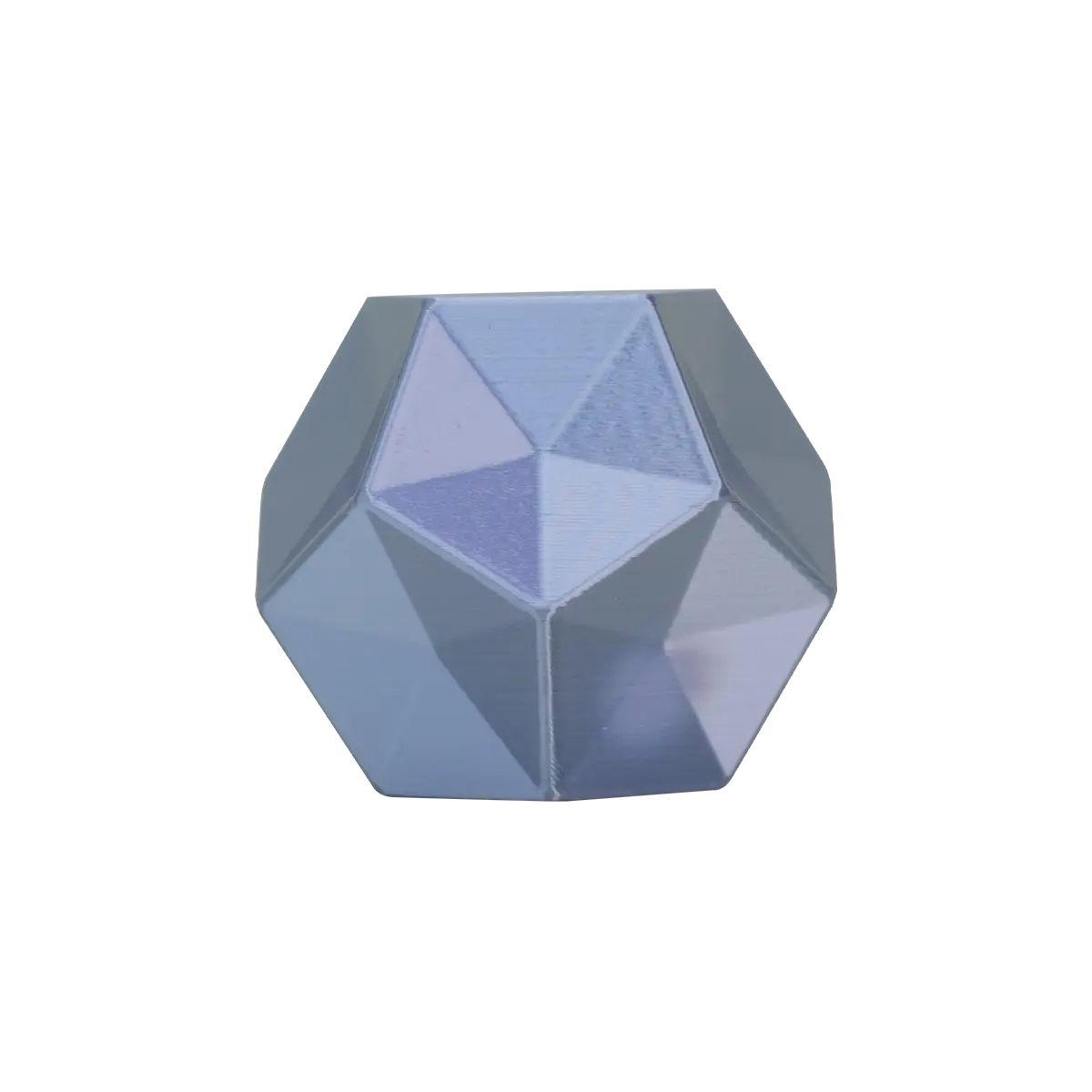
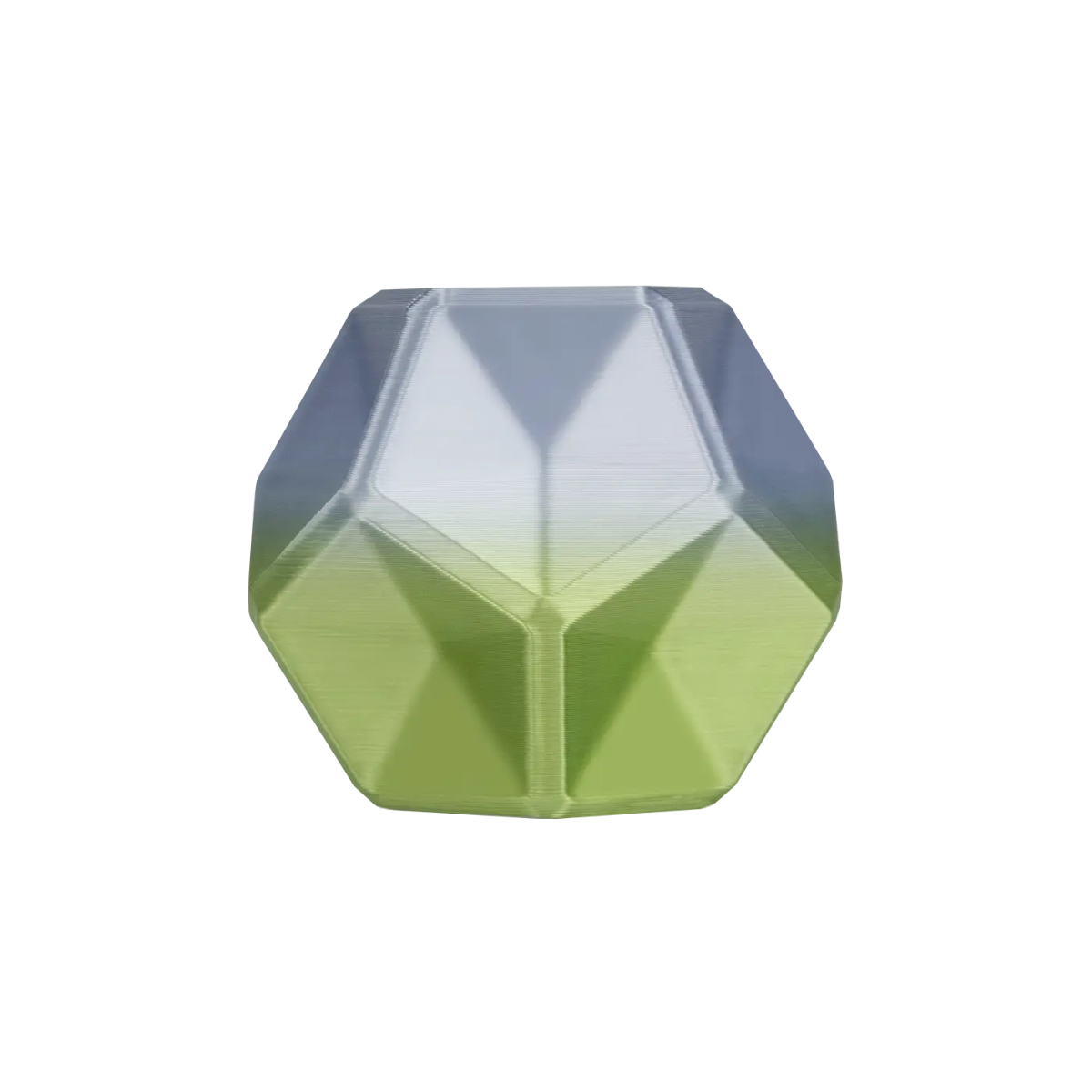
Try a spiral vase, geometric planter, small display bowl, decorative tray, bookend, picture frame, candle holder, shelf ornament, or modular desk sculpture.
For real plants, use an inner container when the printed object is not watertight. This prevents leaks and makes cleaning easier.
Lampshades and LED Light Projects
Lighting projects combine function with visual design.
Ideas include a patterned lampshade, LED diffuser, light-box sign, night-light cover, wall sconce shell, cable cover, decorative lantern, and illuminated nameplate.
Use low-heat LED lighting. Check the material's heat resistance and leave enough space for ventilation.
Geometric Sculptures and Wall Art
3D printing makes it easier to create shapes that would be difficult to cut or assemble by hand.
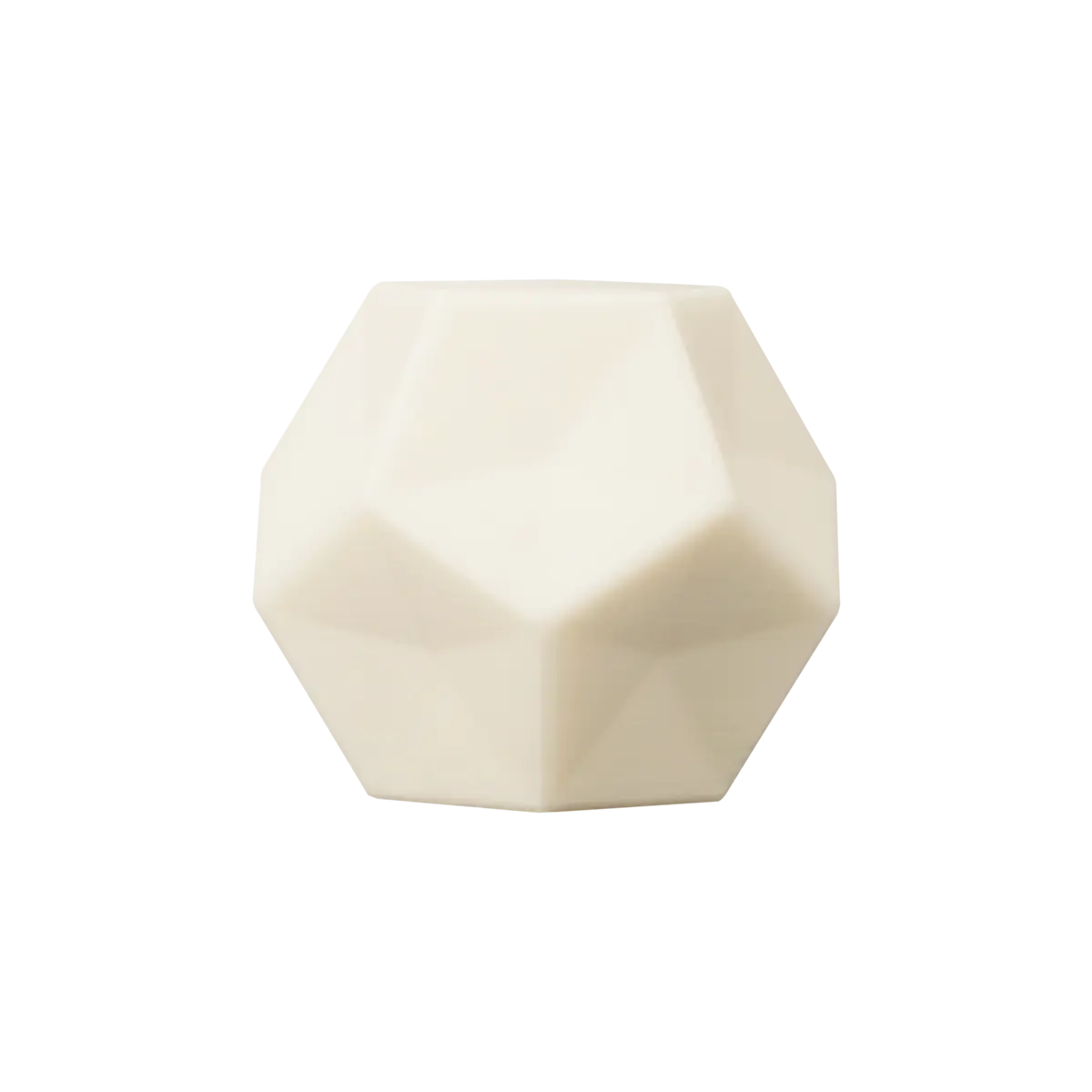
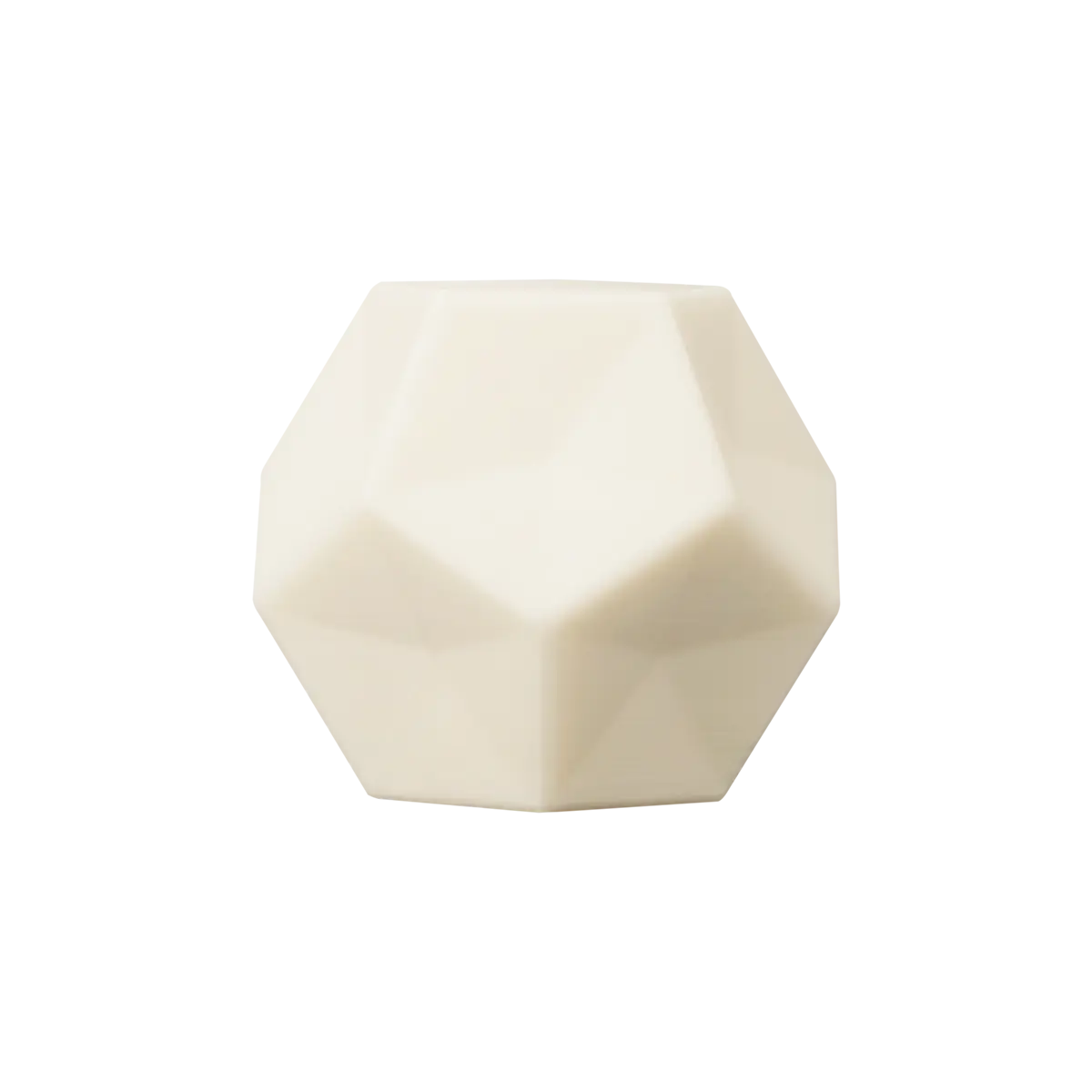
Try a low-poly sculpture, relief map, geometric wall panel, modular tile system, shadow box, kinetic desk sculpture, abstract planter, or layered wall sign.
Large wall pieces can be divided into smaller sections and assembled after printing.
Customized Holiday Decorations
Holiday projects are easy to personalize and reuse each year.
You can print ornaments, table place cards, gift tags, wreath accents, countdown-calendar pieces, themed candle holders, seasonal signs, and custom party decorations.
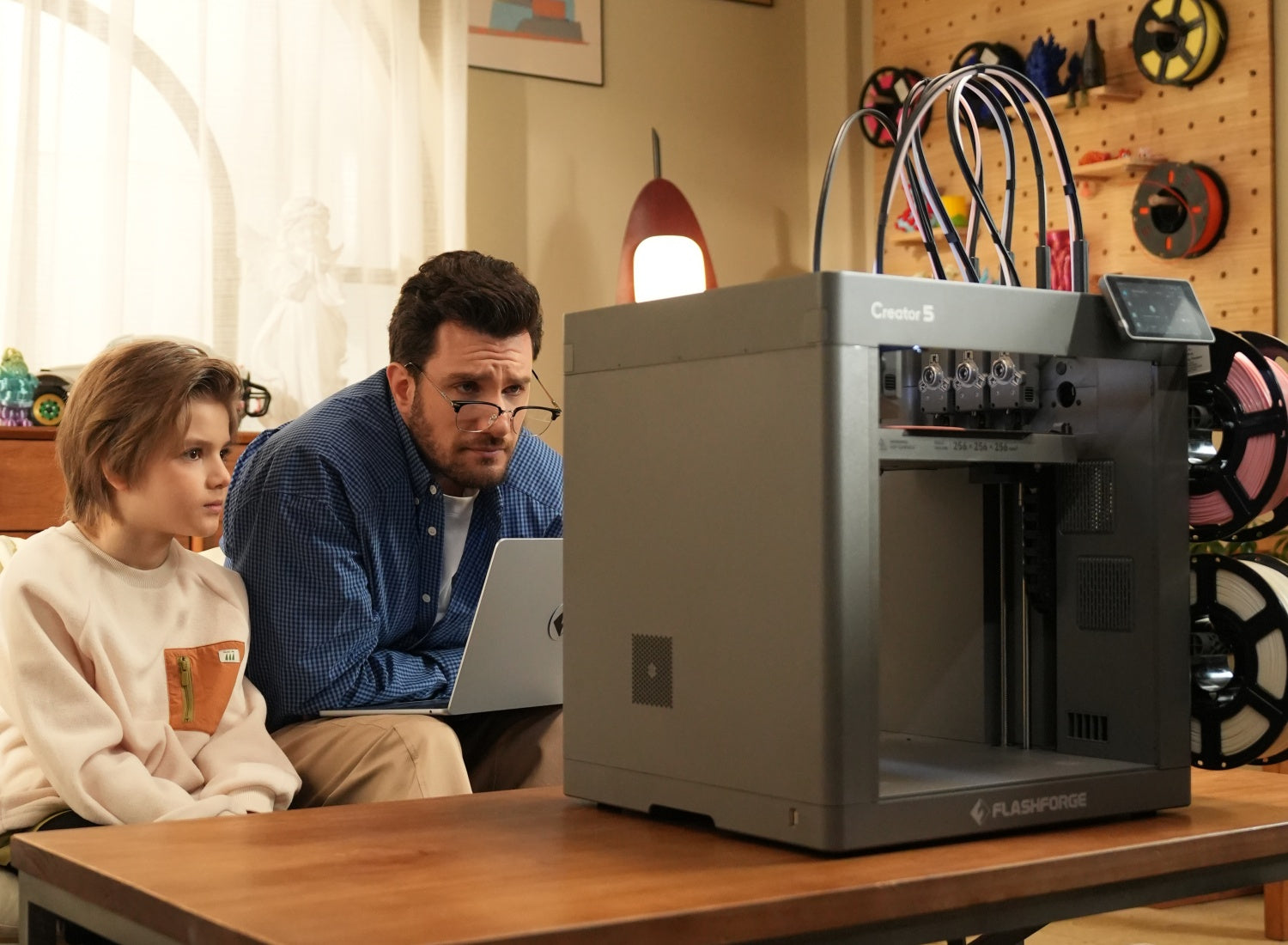
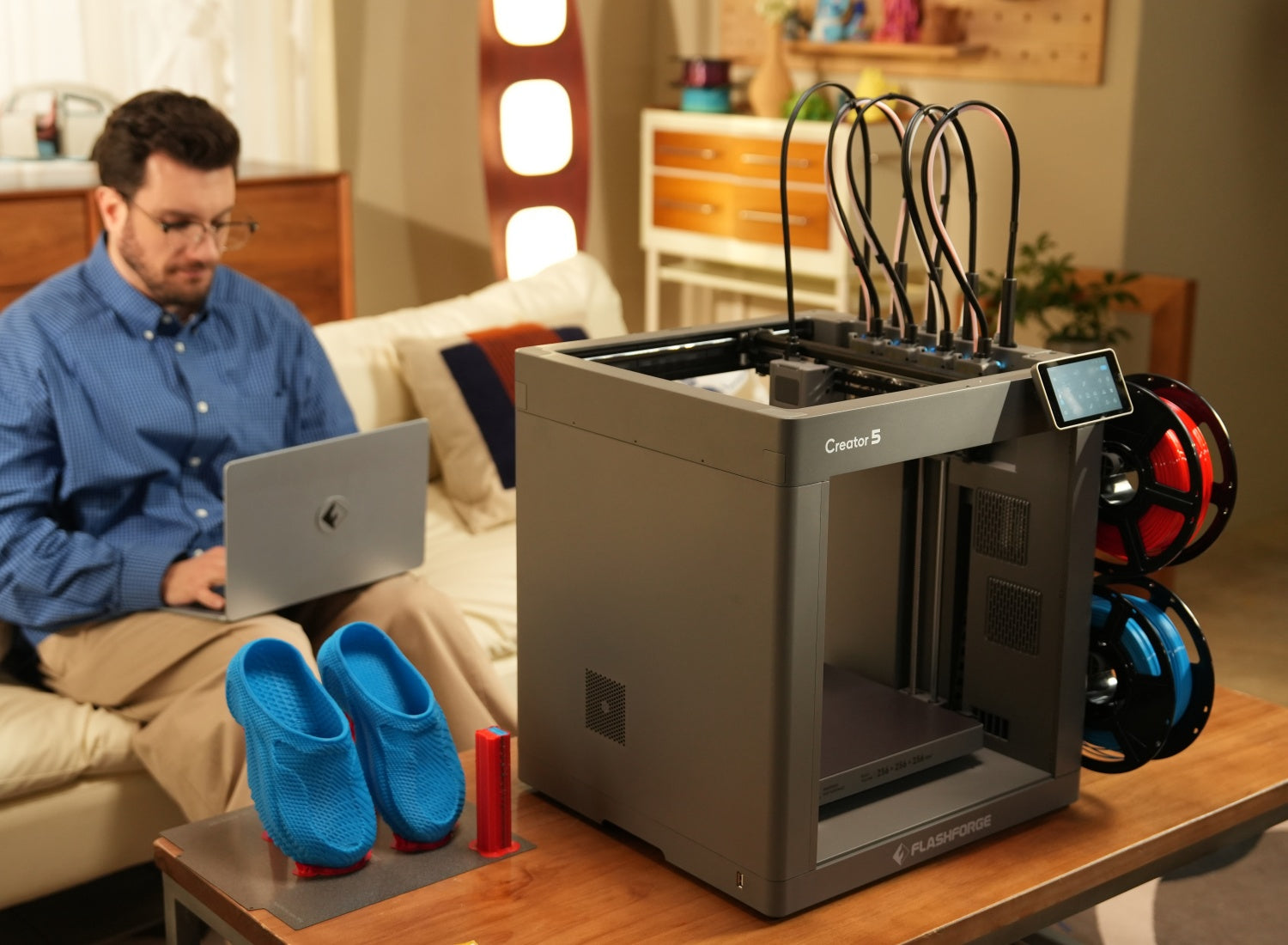
Holiday ornaments, layered signs, and seasonal decorations often involve repeated color changes. The Flashforge Creator 5 uses four independent toolheads and avoids purge waste during material switching. This can simplify multi-color production when a project needs cleaner color transitions or several customized designs in a small batch.
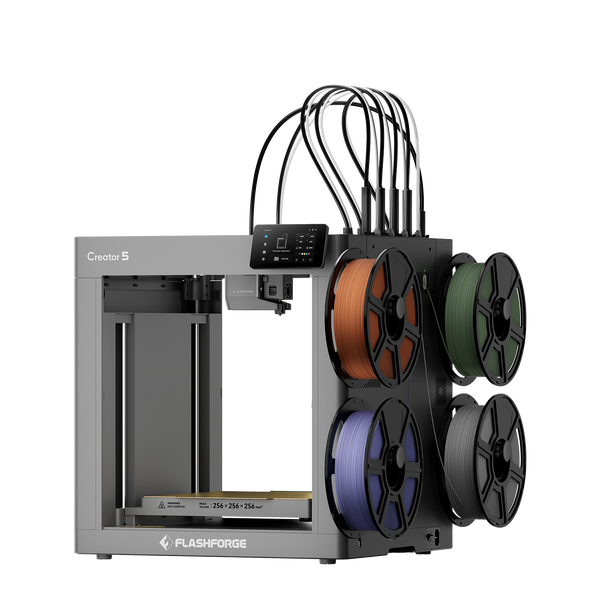
Flashforge Creator 5 4-Toolheads Multi-Color 3D Printer | 500% Faster, Zero Purge Waste
Useful 3D Prints for Students and Education
Printed models can turn abstract ideas into objects that students can hold, compare, and inspect.
The best classroom prints are durable, easy to understand, and simple to reproduce when replacements are needed.
STEM Learning Models
STEM projects can make science and mathematics more visual.
Useful models include molecular structures, geometry solids, bridge designs, gear systems, solar-system kits, fraction blocks, measurement tools, circuit enclosures, and physics demonstration parts.
Keep the design focused on the lesson. Use color to separate components when it improves understanding.
Topographic Maps and Anatomical Models
Topographic maps help students understand elevation, terrain, and spatial relationships.
You can also print volcano cross-sections, watershed models, landform examples, cell structures, bone models, organ references, and simplified anatomical demonstrations.
These models can be enlarged, color-coded, or separated into layers for clearer explanation.
Engineering Concepts for Classroom Demos
Mechanical models help students see how forces and movement work.
Try a gear train, pulley set, linkage system, truss model, hinge mechanism, simple robotic arm, cam system, lever demonstration, or basic transmission model.
Classroom demonstrations do not need to carry heavy loads. Their purpose is to make the concept visible and easier to discuss.
Classroom Organization Accessories
A 3D printer can also help organize shared classroom tools.
Useful prints include label holders, supply trays, tablet stands, headphone hooks, project bins, cable organizers, bookend labels, marker holders, and equipment tags.
Simple modular designs are easier to replace and adapt as classroom needs change.

Advanced Functional Projects for Experienced Makers
Advanced projects require more planning. Material choice, tolerances, print orientation, wall thickness, and testing all matter.
A functional part should be validated under realistic conditions before regular use.
Drone Frames and RC Components
Makers can print lightweight parts for controlled hobby use.
Examples include drone-frame prototypes, RC car brackets, battery trays, camera mounts, antenna holders, wheel hubs, controller cases, servo mounts, and cable guides.
Test the part before use. A visual prototype and a flight-ready or high-speed component do not have the same requirements.
Working Robotics and Mechanical Assemblies
Robotics projects combine movement, fit, and repeated use.
You can create grippers, gear trains, hinge assemblies, bearing housings, actuator mounts, sensor brackets, wheel adapters, cable-management clips, and enclosure panels.
Print small fit tests first. Adjust clearances before committing to a complete assembly.
Custom Tool Holders and Workshop Jigs
Workshop prints can save time when they simplify repetitive tasks.
Useful ideas include drill guides, sanding blocks, bit organizers, alignment jigs, assembly fixtures, measurement templates, tool trays, wall mounts, cable guides, and part-sorting bins.
A printed jig should match the task. Reinforce stress points and test the part before relying on it during repeated use.
Wearable Gadgets and Smart Device Enclosures
Wearable and electronic projects need careful dimension checks.
Try a sensor housing, smartwatch stand, bike-computer mount, IoT enclosure, cable strain-relief sleeve, wearable badge case, compact battery holder, LED-controller enclosure, or small control-panel housing.
Leave enough space for cables, airflow, fasteners, and maintenance access.
Small Business Ideas Using a 3D Printer
A 3D printer can support a side business when the product solves a clear problem or serves a defined niche.
Start with a small catalog. Track print time, material use, failed prints, finishing work, packaging, and customer questions before expanding.
Personalized Products for Etsy Shops
Personalized items work well because customers value names, dates, colors, and themes created for a specific occasion.
Possible products include custom signs, wedding place cards, ornaments, name tags, cake toppers, planters, desk accessories, and event decorations.
Etsy's official Creativity Standards state that physical items made with computerized tools, including 3D printers, must be based on the seller's original design.
Print-on-Demand Accessories
Print-on-demand products reduce the need to keep finished inventory.
Examples include bag tags, desk signs, cable organizers, phone stands, product-display risers, branded keychains, tabletop accessories, and custom holders.
Keep the options manageable. A limited set of colors, fonts, and sizes makes pricing and production easier to control.
Local Rapid Prototyping Services
Local businesses may need prototypes before moving into manufacturing.
Common requests include product housings, packaging inserts, fit-check models, presentation samples, jigs, fixtures, and short-run custom parts. A well-organized rapid prototyping workflow can help small teams test dimensions, materials, and assembly details before committing to a larger production run.
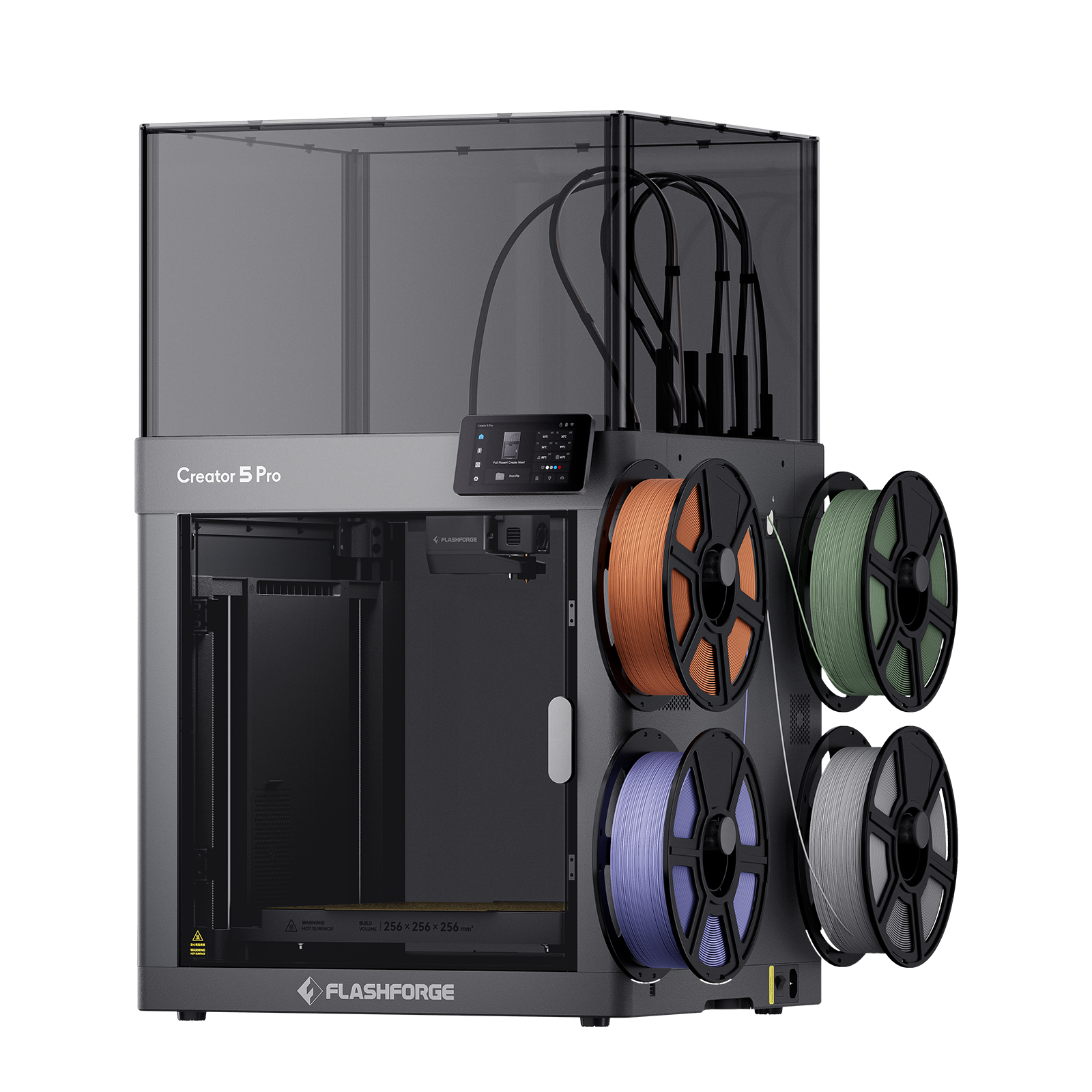
Rapid prototyping services often involve more than visual models. Functional samples may need engineering filaments and a more stable printing environment. The Flashforge Creator 5 Pro combines four independent toolheads with a fully enclosed frame and an actively heated chamber up to 65°C. Its broader material support makes it relevant for engineering prototypes and selected small-batch production workflows.
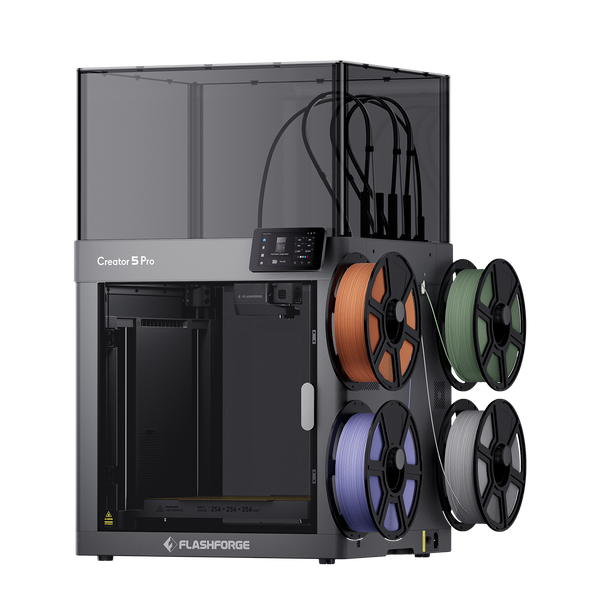
Flashforge Creator 5 Pro 4-Toolheads Enclosed Multi-Color 3D Printer | 500% Faster, Zero Purge Waste
Selling STL Files and Digital Designs
Digital model sales can create income without physical shipping.
You can sell original storage systems, tabletop accessories, workshop tools, planters, signs, organizers, educational models, and parametric templates.
Test every file before listing it. Include dimensions, material recommendations, assembly notes, and license terms.
Understanding Copyright and Licensing Before You Sell
A downloadable file is not automatically free to sell.
The U.S. Copyright Office explains that copyright law covers two-dimensional and three-dimensional visual works, including models and sculptural works. The USPTO also explains that trademarks can include words, phrases, symbols, and designs that identify goods or services.
Before selling a print or STL file, confirm that you created the design or hold a license that allows commercial use. Avoid copying protected characters, logos, and branded product designs without permission.
Best Materials for Different 3D Printing Projects
Choosing the right 3D printer filament is just as important as choosing the model.
The material affects printability, flexibility, heat resistance, surface finish, and durability. A decorative object, household bracket, flexible accessory, and detailed miniature may need different materials.
PLA for Everyday Prints
PLA is a practical starting material for beginners.
It works well for display models, desk accessories, organizers, toys, classroom aids, and decorative objects. It is easy to print and available in many colors.
PLA is less suitable when the finished object will face high temperatures or repeated impact.
PETG for Functional Household Parts
PETG is useful for practical household parts that need more durability or moisture resistance than basic PLA projects.
It works well for organizers, holders, brackets, trays, workshop accessories, and selected replacement parts.
PETG can bond strongly to some build plates, so use a suitable surface and follow the recommended printer profile.
TPU for Flexible Products
TPU is a flexible 3D printer filament designed for parts that need to bend, compress, or absorb impact.
Useful projects include protective pads, phone cases, gaskets, cable sleeves, flexible hinges, anti-slip feet, wearable accessories, and soft figurines.
Flexible filament needs careful feeding and suitable print settings. Softer TPU usually requires slower printing and a controlled filament path.
Resin Printing for Detailed Models
Resin printing is useful when fine detail and smooth surfaces matter more than large size or simple handling.
Uncured resin requires careful handling. CDC NIOSH recommends appropriate ventilation and personal protective equipment when working with vat-photopolymerization 3D printing. Review the official NIOSH guidance for safer resin printing before setting up a resin workflow.

How to Find 3D Printing Ideas and Models
A good project starts with a clear goal. Decide whether you want to solve a household problem, learn a design skill, create a gift, or test a product idea.
Once the purpose is clear, it becomes easier to choose the file, material, and printing method.
Popular STL File Websites
Community model libraries and creator marketplaces offer a wide range of printable files.
Before downloading a model, check the dimensions, file format, print instructions, and license. Some files allow personal use only. Others allow modification or commercial use under specific conditions.
Do not assume that a free download can be sold.
Designing Your Own Models with CAD Software
Designing your own files gives you more control over dimensions, function, and customization.
CAD software works well for brackets, enclosures, organizers, and mechanical parts. Mesh-editing and sculpting tools are more suitable for organic models, decorative shapes, and figurines.
Start with basic geometry. Measure carefully. Print a small test before producing a larger object.
Using AI and Generative Design Tools
AI tools can help turn an early concept into a draft model.
They are useful for idea generation, decorative shapes, and early visual exploration. However, generated files still need review. Check the scale, wall thickness, mesh quality, overhangs, and print orientation before slicing.
Licensing also matters. When using AI-generated content commercially, review the tool's terms and marketplace rules before selling the result.
Joining Online Maker Communities
Maker communities can help you find inspiration and improve your workflow.
Look for project discussions, troubleshooting threads, print-setting comparisons, and design challenges. A useful community does more than share finished photos. It also explains what failed and how the design improved.
Treat shared files carefully. Confirm the license before printing, modifying, or selling a model.
Conclusion
A 3D printer can create far more than decorative models.
Beginners can start with keychains, phone stands, organizers, toys, and classroom aids. More experienced makers can move into robotics, workshop tools, wearable enclosures, and product prototypes. Small businesses can offer personalized products, digital files, and local printing services.
Choose a project that matches your skill level. Start with a simple design. Select the right 3D printer filament. Test the fit and material. Improve the file before producing multiple copies.
The most valuable print is not always the most complex one. It is the object that solves a real problem, teaches a useful skill, or turns an idea into something you can hold.
FAQ
Is 3D Printing Warhammer 40K Illegal?
Warhammer 40,000, often shortened to Warhammer 40K, is an intellectual-property-protected tabletop game and miniature range.
Printing an original sci-fi miniature for personal use is not the same as reproducing a protected Warhammer model. The official Warhammer legal guidance states that its products must not be reproduced and sold, imitation models must not copy its products, and unauthorized recasting or 3D printing of its products and digital designs is not permitted.
The legal answer depends on the model, license, and intended use. Do not scan, reproduce, distribute, or sell protected designs without permission. Seek legal advice when the situation is unclear.
What Am I Not Allowed to 3D Print?
Rules vary by country, product category, and intended use.
Do not print or sell models that infringe copyright, trademark, or other intellectual-property rights. Avoid restricted items and safety-critical components unless you understand the applicable laws, testing standards, and approval requirements.
A model that is technically printable is not automatically legal or safe to produce.
Can I Sell My 3D Printed Items?
Yes, when you have the right to sell the design and the product is suitable for its intended use.
Original designs are the clearest starting point. You can also use a third-party file when its license explicitly permits commercial production.
Check the platform rules before listing a product. On Etsy, 3D-printed items made with computerized tools must be based on the seller's original design.
What Is the Most Wanted 3D Printed Item?
There is no single product that sells best in every market.
Demand depends on the audience, platform, season, and local needs. Personalized signs, organizers, replacement parts, tabletop accessories, workshop tools, and product prototypes can all perform well when they solve a clear problem.
Start with a small product range. Track which items receive repeat requests, then expand around the strongest category.